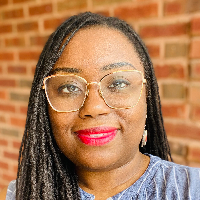
Bapuamoyo Kambeya
LPC
Compassionate therapist who blends hypnotherapy and evidence-based care
- Stress, Anxiety
- Family
- Trauma and abuse
10 years in practice
Clinical social work directory
18 therapists in this directory hold a licence issued in Georgia and name hypnotherapy among their approaches. Sessions are online; a US therapist can usually only see people in a state where they hold a licence, so check the credentials panel on each profile.
Welcome to Find Hypnotherapists' directory of online therapists serving Georgia. All therapists listed here are licensed in Georgia - explore profiles to learn about their approaches, credentials, focus areas and languages.
LPC
Compassionate therapist who blends hypnotherapy and evidence-based care
LMFT, LCMFT
Compassionate, direct therapy for relationship patterns
LICSW, LCSW, CSW
Insightful hypnotherapy and practical support
LPC
Skilled counselor blending practical tools and hypnotherapy
LPC
Restorative, practical counseling for relationships
LPC
Experienced counselor using practical therapy approaches
LPC
Experienced counselor blending hypnotherapy and skills work
LCSW, CSW
Practical therapy that respects belief and history
LPC
Change-focused counselor using practical approaches
LPC
Direct compassionate help for intimacy and relationships
LPC
Compassionate, practical support for stress and relationships
LCSW, CSW
Practical hypnotherapy and skills-focused support
LCSW, CSW
Calm, practical support for life’s difficult changes
LPC
Compassionate, practical therapy with hypnotherapy options
Some links on this page are partner links. We will earn a commission if you sign up through one, at no cost to you. It does not change what you pay or the order of the listings.
Online therapy has become a common option for people across Georgia who want to access mental health care from home, work or while traveling inside the state. You will find therapists offering sessions via video or phone, and many describe their clinical orientations and areas of focus in their profiles so you can get a sense of how they work. Regulations affecting teletherapy vary by state and by professional license type, and in Georgia licensing boards oversee clinical practice and the conditions under which out-of-state clinicians may provide services. That means therapists who offer online sessions typically note the scope of their practice and the geographical area where they may legally provide care. When you search listings, expect to see a mix of credential types - such as licensed professional counselors, clinical social workers and marriage and family therapists - and to be able to narrow results by approaches, languages and specialties.
Because online therapy can take many forms, it helps to know what to look for in a profile. Some therapists highlight specific approaches they use while others emphasize populations they work with, such as adolescents, parents, couples or adults navigating life transitions. You may also see therapists who list hypnotherapy among their approaches; on this site that may be one of several methods a clinician mentions. Profiles usually include information about education, state licensure and the issues a therapist commonly addresses, so you can identify practitioners whose experience aligns with your needs.
Online therapy can make it easier for you to fit counseling into a busy life. You save travel time and can often schedule sessions that work around work, school and family commitments. If you live in a rural area of Georgia or in a community with fewer in-person options, virtual sessions can broaden the range of clinicians you can connect with. People also choose online sessions for the flexibility they provide when moving between home and work locations within the state, or when caregiving responsibilities make leaving the house difficult.
Beyond convenience, many people find that video or phone sessions reduce initial barriers to seeking care. You may feel more comfortable meeting a therapist from your own home or another familiar environment, and that comfort can help you engage sooner. Online sessions also make it simpler to include family members or partners who live in different parts of Georgia, when appropriate for your goals. Keep in mind that a productive therapy relationship depends on many factors, including rapport, the therapist's focus areas and your sense of fit, not on the session format alone. If you have concerns around technology or the session setting, discuss them with a clinician to find practical adjustments that support your work together.
Therapists in Georgia often work with people experiencing anxiety, depression and stress related to life events. In online settings you can explore coping skills, behavioral strategies and emotional processing with a clinician who lists relevant approaches among their offerings. Some profiles will describe work with trauma-related symptoms, though when trauma is a focus you may want to read about a clinician's methods and experience to assess fit for your needs.
If you are navigating relationship challenges, parenting questions or major life changes such as relocation, career shifts or bereavement, many Georgia clinicians describe experience supporting those transitions. You can look for therapists who emphasize couples work, family systems or life-stage counseling in their profiles. Some therapists list modalities like hypnotherapy, cognitive approaches or interpersonal work among their approaches - these descriptions indicate what they may draw on in sessions, but do not substitute for asking about how they apply those methods in practice.
Online therapy can also address habits, motivation, attention and performance-related concerns. People exploring cessation of unwanted behaviors, improvement of focus or stress management for performance contexts often work with clinicians who incorporate behavioral techniques and skill-building into sessions. When researching profiles, pay attention to the examples of issues a therapist mentions and the client populations they describe, since that will help you identify clinicians whose experience aligns with your situation.
Confirming a therapist's licensure is a practical step you can take when considering online care. Start by locating the license details in a therapist's profile - most listings include a license type and the state that issued it. To verify status, use Georgia's professional licensing search tools provided by the state licensing boards. On the licensing site you can search by name or license number to view public information such as license type, active status, expiration date and any disciplinary actions that are part of the public record.
When you check licensure, note the exact title on the license and the issuing board, since terminology varies by profession. If a clinician is licensed in another state, research whether that license permits practice with clients in Georgia; rules about practicing across state lines are set by the relevant boards and can change over time. If you have questions about what you find in a license record, contact the Georgia board directly for clarification. Keeping a record of the license number and the date you checked it can be useful as you move forward.
When you are ready to reach out to a therapist, gather a few practical details that will help your first conversation. Think about the main concerns you want to address, any prior mental health care you've had and any medications you take. Decide whether you prefer video or phone sessions and whether language or cultural background are important to you in a clinician. If insurance or cost is a factor, note that information so you can ask about fees and payment options during your initial contact.
As you review profiles, focus on the therapist's descriptions of their approaches, areas of focus and client populations. Look for language that resonates with your goals and for clinicians who list methods you are interested in exploring. Remember that when a therapist lists an approach - for example EMDR, hypnotherapy or cognitive techniques - that indicates an area they utilize, not a guarantee of specific credentials in that modality. During your first conversation you can ask about how they typically structure sessions, what outcomes they aim for with similar concerns and how they measure progress, so you get a sense of how work might proceed.
Choose a quiet, comfortable environment for sessions where you will be able to speak openly and without interruptions. Test your internet connection and device before a video appointment and have a plan for managing interruptions in case they happen. Set modest, clear goals for the first few sessions so you and your clinician can evaluate whether the approach and working style are a good match. If you do not feel a sense of rapport or fit after a few sessions, it is reasonable to discuss this with the clinician or to explore other profiles until you find someone who aligns with your needs.
Finding the right online therapist in Georgia is a process that combines practical verification steps with attention to personal fit. Use profile details to narrow possibilities, verify licensure through state resources, and prepare thoughtful questions for initial contact. With some planning, you can connect with a clinician whose approaches and focus areas match what you want to work on, so you can begin meaningful steps toward your goals.