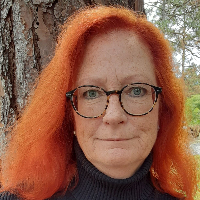
Jai Pitre
LCSW, CSW
Experienced LCSW focused on practical change
- Stress, Anxiety
- Trauma and abuse
- Self esteem

12 years in practice
Clinical social work directory
6 therapists in this directory hold a licence issued in Colorado and name hypnotherapy among their approaches. Sessions are online; a US therapist can usually only see people in a state where they hold a licence, so check the credentials panel on each profile.
Welcome to our directory of online therapists serving Colorado. All therapists listed here are licensed in Colorado, and you can explore profiles to learn about their approaches, credentials, and focus areas. Use the filters to find therapists who list approaches that match your needs and begin your search today.
LCSW, CSW
Experienced LCSW focused on practical change
LPC, LMHC
Compassionate therapist focusing on practical change
LCSW
Calm, practical therapy with flexible approaches
LPC
Steady, collaborative counseling for life transitions
Some links on this page are partner links. We will earn a commission if you sign up through one, at no cost to you. It does not change what you pay or the order of the listings.
If you are looking for mental health support in Colorado, online therapy is widely available and has become a common option for many residents. In recent years technological tools and regulatory updates have made it easier for therapists to offer sessions via video, phone, and other remote methods. Your options may include licensed counselors, social workers, psychologists, and clinicians who list approaches such as hypnotherapy, cognitive behavioral methods, psychodynamic work, or mindfulness-based practices among their offerings. While telehealth makes access more convenient, the rules that govern remote practice are set at the state level, so therapists serving Colorado residents are expected to follow state licensing regulations and professional standards.
When you use online therapy services, you will typically find profile pages that describe each clinician's approach, areas of focus, credentials, and any languages spoken. Those descriptions reflect how a therapist presents their practice and should be read as informational rather than as guarantees about outcomes. Many therapists combine different approaches depending on the needs you bring to sessions, and some list specific modalities such as EMDR among their approaches. If you have questions about how a therapist works, their profile is a good starting point for understanding whether their style matches what you are seeking.
Online therapy removes many logistical barriers that can make in-person care difficult. If you live in a rural mountain town or an area with limited local providers, remote sessions let you meet with clinicians who might otherwise be out of reach. For people balancing work, family, or school, you may find it easier to fit appointments into a busy schedule when travel time is reduced. Colorado's varied geography and weather can also make travel challenging; online sessions offer continuity when roads are icy or when a sudden change of plans makes it hard to get to an office.
Beyond convenience, online formats can support continuity of care during life transitions. If you move within the state, travel for work, or need flexible scheduling, you can keep the therapeutic relationship in place more easily than with strictly in-person care. You may also find a wider range of approaches available online: some therapists list hypnotherapy among their approaches, others list EMDR or mindfulness-based work, and many integrate cognitive behavioral techniques. Choosing online therapy can broaden the pool of clinicians you can consider, giving you more opportunities to find a style and focus that fit your needs.
You can turn to online therapists in Colorado for a wide range of concerns, and many clinicians describe the populations and issues they commonly address on their profiles. People often seek online therapy for anxiety, depression, stress management, and relationship concerns. If you are navigating grief, life transitions, or parenting challenges, you will likely find therapists who list those focus areas. Many clinicians also work with trauma-related concerns and may list EMDR among their approaches; such descriptions indicate an interest in or use of a modality rather than a certification statement.
Other reasons people choose online therapy include insomnia, performance anxiety, chronic stress related to work, and habit change goals. Some therapists list hypnotherapy among their approaches, and others incorporate cognitive behavioral strategies, mindfulness practices, or psychodynamic perspectives. If you are exploring care for substance use support, eating concerns, or chronic pain management, you may find clinicians who note experience addressing similar issues. Reading profiles closely will help you understand which clinicians emphasize the themes and modalities that are most relevant to you.
Before you begin work with an online therapist, it is wise to confirm their license status. Colorado maintains public licensing records through state regulatory channels where you can look up a professional by name or license number. When you check a record, you will typically see the license type, whether it is active, the date of issuance, and any public disciplinary history. That information helps you confirm that the person you are considering is authorized to practice in the state under the credential they list.
To verify a license, start with the state licensing search tool and enter the clinician's full name as listed on their profile. If the search returns a match, review the license type - such as licensed professional counselor, licensed clinical social worker, or psychologist - and note the issue and expiration dates. If there are any questions about the record you find, you can contact the licensing board directly for clarification. Keep in mind that telehealth across state lines can involve different requirements, and therapists who provide remote services to Colorado residents should hold the appropriate authorization to practice in Colorado. If you are unsure, ask the clinician directly or consult the state board for guidance on out-of-state practice rules.
Beginning online therapy is often as simple as viewing profiles, identifying a few clinicians whose approaches and focus areas resonate with you, and reaching out through the contact method provided. Many profiles include a brief description of the clinician's approach, education, and the issues they commonly address. Use that information to narrow your options and then contact the therapists you are interested in to ask any questions you have. Before your first session, plan a quiet, quiet space where you can talk without interruptions and test your device and internet connection so that technology is less of a distraction.
When you are choosing a therapist, pay attention to how they describe their approach and whom they typically work with. If a therapist lists modalities such as hypnotherapy or EMDR among their approaches, that signals an area to discuss further during an initial conversation. Consider whether you prefer a directive style focused on practical strategies or a more reflective approach that explores patterns over time. Think about language needs, cultural competence, and any identity factors that are important for you in the therapeutic relationship.
Trust your instincts about fit. It is common for the first few conversations to be exploratory as you get a sense of how a clinician listens, explains their approach, and partners with you on goals. Practical matters also matter - check whether your insurance covers telehealth with that license type, whether sliding scale fees are offered, and what platforms are used for sessions. You may want to ask how they approach remote work and what to expect in terms of session structure. Ultimately, choosing a therapist is both a practical and personal decision, and taking the time to gather information and reflect on fit will help you find a clinician with whom you feel comfortable starting a therapeutic journey.