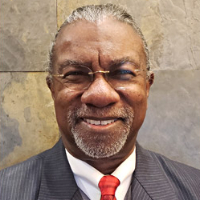
48 years in practice
Clinical social work directory
Therapists in North Carolina
12 therapists in this directory hold a licence issued in North Carolina and name hypnotherapy among their approaches. Sessions are online; a US therapist can usually only see people in a state where they hold a licence, so check the credentials panel on each profile.
Welcome to the North Carolina directory for licensed online therapists. All therapists listed here hold active licenses in the state and describe their approaches and focus areas on their profiles. Explore the listings to find professionals whose methods and specialties match what you are looking for.

8 years in practice
K. Elizabeth Garzarelli
LPC, LCMHC
Experienced counselor for life transitions
- Stress, Anxiety
- Self esteem
- Career

33 years in practice
Carla Moore-McNeil
LCSW
Experienced LCSW focusing on practical change
- Stress, Anxiety
- Grief
- Self esteem

27 years in practice
Jeff (Jeffery) Thompson
LCMHC
Practical therapy with hypnotherapy options
- Stress, Anxiety
- Relationship
- Trauma and abuse

20 years in practice
Cynthia Huffstetler
LCMHC
Compassionate, practical therapy for everyday life
- Stress, Anxiety
- Parenting
- Anger

9 years in practice
Dr. Nelly Gregorian-DeLeon
LMFT
Warm, experienced Marriage and Family Therapist
- Relationship
- Trauma and abuse
- Grief

15 years in practice
Lois Pasapane
LCMHC, LMHC
Experienced counselor focused on practical change
- Stress, Anxiety
- Trauma and abuse
- Self esteem

35 years in practice
Heather Scarboro
LCMHC
Calm, practical therapy with creative approaches
- Stress, Anxiety
- Addictions
- LGBT
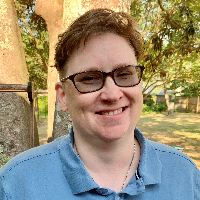
10 years in practice
Nancy Hauck
LISW-CP, LCSW
Calm, practical therapy with hypnotherapy options
- Stress, Anxiety
- Trauma and abuse
- Anger
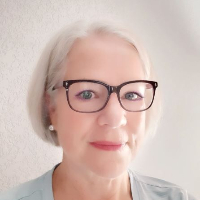
20 years in practice
Dr. Jack Gross
NC Psychologist
Experienced psychologist guiding practical change
- Stress, Anxiety
- Relationship
- Family

40 years in practice
Lakeisha McKnabb
LCMHC
Compassionate, practical support for life challenges
- Addictions
- Family
- Depression

18 years in practice
Some links on this page are partner links. We will earn a commission if you sign up through one, at no cost to you. It does not change what you pay or the order of the listings.
Overview of Online Therapy in North Carolina
If you are considering online therapy in North Carolina you are entering a landscape shaped by state licensing rules, technology, and evolving professional practice. Licensed clinicians across the state increasingly offer remote sessions using video and phone formats to reach people who live in rural communities, juggle work and caregiving responsibilities, or prefer not to commute to an office. When a clinician lists an approach on their profile it indicates the method they use in sessions, not a formal endorsement by this directory. You will find therapists who list hypnotherapy among their approaches as well as those who list cognitive-behavioral techniques, EMDR among their approaches, psychodynamic perspectives, and other methods.
It is important to understand that how a therapist conducts online sessions can vary. Some clinicians base their practice primarily online while others integrate remote sessions with occasional in-person meetings for clients who are local. The North Carolina licensing boards determine who may practice within the state and set expectations for professional conduct. This means that although you can access care from many places within the state, the clinician should be authorized to provide services to residents of North Carolina. Learning how licensure works and how to verify it will help you feel more confident as you explore profiles and make contact.
Benefits of Online Therapy for North Carolina Residents
Online therapy offers several practical advantages that may make it easier for you to start and continue mental health care. One of the most obvious benefits is convenience. You can connect from home or another comfortable environment without spending extra time traveling, which may be especially helpful if you live far from urban centers or have limited transportation. This flexibility can make it simpler to schedule appointments around work, school, or family responsibilities and to keep continuity of care during life changes.
For many people in North Carolina remote therapy expands access to approaches and specialties that may not be available nearby. If you are seeking a clinician who lists hypnotherapy among their approaches or who works with a particular population or language, online options can broaden your choices. Online sessions can also reduce barriers for people with mobility limitations or caregiving duties. Because sessions take place in a setting you choose, you can shape an environment that feels comfortable, provided you consider privacy and minimize interruptions. Finally, remote therapy can support continuity if you move within the state or spend time traveling, since you and your clinician can maintain a working relationship without being tied to a single office location.
Common Issues Online Therapists in North Carolina Work With
Online therapists in North Carolina commonly support people with a wide range of concerns. Many clinicians list that they work with anxiety, depression, relationship strain, grief, stress management, and life transitions. You will also find therapists who list approaches for trauma-related symptoms, habit change, sleep difficulties, chronic medical concerns, and performance-related stress. When a therapist lists a modality such as hypnotherapy among their approaches it indicates that they incorporate that method into their practice for relevant issues. Similarly, you may encounter therapists who list EMDR among their approaches or who describe cognitive-behavioral and acceptance-based strategies.
How a therapist frames their experience on a profile can help you gauge whether they focus on short-term goals, long-term exploration, or a blend of styles. Some clinicians emphasize practical skill-building for symptom relief while others emphasize relational patterns and meaning-making over time. If you are navigating a specific concern - for example managing panic attacks, coping with a major life change, addressing chronic stress at work, or improving communication in a relationship - searching profiles for those focus areas and the approaches that appeal to you can point you toward clinicians who portray relevant experience. Remember that listing an approach does not equal an outcome guarantee; use profiles to identify promising fits and to prepare questions for an initial conversation.
How to Verify a Therapist's License in North Carolina
Verifying a clinician's license is an important step before you begin working together. North Carolina has boards responsible for licensing different types of mental health professionals, including licensed clinical social workers, licensed professional counselors, marriage and family therapists, and others. Most boards maintain searchable registries on their official websites where you can enter a clinician's name or license number to confirm status. The registry typically shows whether a license is active, the license type, the date of issuance, expiration information, and any public disciplinary history.
When you review a profile, note the license type the clinician lists and use that information as a starting point for a registry search. If you find multiple clinicians with similar names, a license number or location can help confirm identity. If a therapist lists approaches such as hypnotherapy or cognitive-behavioral methods you can still verify their underlying license through the board. If you have questions about what the registry shows you can contact the licensing board office for clarification. Doing this due diligence ensures that the person you choose is authorized to practice in North Carolina and gives you information about their regulatory standing before you commit time and resources to a working relationship.
Getting Started and Tips for Choosing the Right Therapist
Beginning online therapy starts with a few practical choices. Start by reading therapist profiles to learn about their areas of focus, the approaches they list, their professional credentials, and the populations they describe working with. Pay attention to language about specialties that resonate with your needs, whether that is working with trauma, addressing anxiety, or incorporating hypnotherapy among the approaches used. Consider practical factors listed on profiles, such as the primary languages spoken, typical session length, and fee structure if provided.
When you reach out for an initial conversation prepare a few questions that matter to you. You might ask how the clinician approaches your specific concern, what a typical session looks like, how they measure progress, and what kinds of resources or homework they might suggest between sessions. It is appropriate to ask about information-sharing boundaries protections and how electronic records are handled. Trust and rapport are central to a productive therapeutic relationship, so notice how comfortable you feel during the first contact and whether the clinician communicates clearly about logistics and their approach. If cultural fit and identity are important to you, look for therapists who mention experience with your community or who explicitly describe culturally informed approaches.
Finally, think of the initial weeks as a period of assessment and adjustment. You and your clinician will use early sessions to set goals and establish the practical features of working together. If something about the approach or communication style does not feel right, you have the option to pause and explore other profiles until you find a better fit. Taking deliberate steps to verify licensure, match therapeutic focus, and communicate openly about expectations will help you get the most from online therapy in North Carolina.
Next steps
Use the directory profiles to learn more about clinicians who list the approaches and specialties you are seeking. Verifying licensure and preparing questions before you connect will make it easier to find a therapist who aligns with your needs and preferences. When you feel ready, reach out to begin a conversation and take the first step toward the type of support you want.