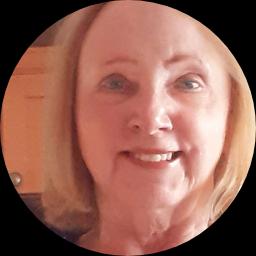
Donna Beichel, LCSW
Illinois · 33 years in practice
Donna Beichel is a licensed clinical social worker in Illinois with 33 years of experience.
License and registration
- LCSW, Illinois
- 149.006051 · expires November 2027
- NPI
- 1477031151 · national provider identifier
- Years in practice
- 33
- Languages
- English
Details are as listed on the therapist's public professional profile. You can check the license with the issuing state board, and the NPI with the national registry.
About Donna
Donna Beichel is a licensed clinical social worker in Illinois with 33 years of experience. She focuses on helping people manage stress, anxiety, addictions, and relationship concerns. Donna aims to create a calm space where clients can speak openly and feel heard.
She works with people dealing with depression, grief, and intimacy-related issues. Parenting strain, self-esteem struggles, anger, and ADHD are also common topics she addresses. Donna supports clients facing life transitions and compassion fatigue as well.
Background and approach
Her approach blends client-centered listening with practical strategies from cognitive behavioral therapy. She also uses hypnotherapy and motivational interviewing to help people shift habits and increase motivation. Psychodynamic ideas inform exploration of deeper patterns when helpful.
Sessions emphasize clear goals and steady progress. Donna helps clients identify small, doable steps they can take between meetings. Conversations are direct but warm, focusing on what matters most to each person.
She gives particular attention to issues such as abandonment, family of origin dynamics, codependency, and forgiveness. Panic attacks, social anxiety, trichotillomania, and women's issues are among other areas she addresses. The work combines short-term symptom relief with attention to longer-term patterns.
People interested in starting are guided through a simple matching and scheduling process. Donna welcomes English-speaking clients from Illinois and beyond, and she adapts her methods to fit each person's goals and lifestyle.
Focus areas and approaches
Everything Donna lists on their public professional profile, in their own terms.
- Stress, Anxiety
- Addictions
- Relationship issues
- Trauma and abuse
- Depression
- LGBT
- Family conflicts
- Grief
- Intimacy-related issues
- Parenting issues
- Anger management
- Self esteem
- Bipolar disorder
- Coping with life changes
- Compassion fatigue
- ADHD
- Abandonment
- Aging and geriatric issues
- Codependency
- Family of origin issues
- Forgiveness
- Guilt and shame
- Panic disorder and panic attacks
- Social anxiety and phobia
- Trichotillomania
- Women's issues
Approaches Donna names
- Hypnotherapy
- Client-Centered Therapy
- Cognitive Behavioral Therapy (CBT)
- Motivational Interviewing
- Psychodynamic Therapy
Naming an approach is not evidence of training in it. This directory copies what each therapist lists and does not check training records.
Online support
How therapeutic approaches translate to online care
Client-centered therapy puts the person at the center of each session. The therapist listens closely, reflects what is heard, and helps set goals that matter to the individual. This approach is useful for building trust and clarifying what someone wants to change.Cognitive behavioral therapy, or CBT, focuses on the links between thoughts, feelings, and actions. It uses practical exercises and behavior experiments to reduce anxiety, manage mood, and change unhelpful patterns. CBT sessions often include homework tasks that fit well with online formats.
Hypnotherapy involves guided relaxation and focused attention to help people access inner resources and change habits. It can be used to support work on anxiety, motivation, and some habit-related concerns when both therapist and client agree it may help.
Finding the right approach is part of the work. The therapist will collaborate with each person to decide which methods to try based on their goals and preferences. Treatment plans are adjusted over time so the approach remains helpful.
Online sessions are offered by video call, phone, live chat, or text-based messaging. Video calls allow face-to-face conversation for skill practice and deeper discussion. Phone sessions can be a good lower-bandwidth option, while chat and messaging suit quick check-ins, short reflections, or people who prefer writing. These formats make scheduling more flexible and let therapy fit into a busy life.
We will earn a commission if you sign up through our link, at no cost to you. It does not change what you pay or the order of the listings.
Questions people ask
What concerns does she focus on?
She helps with stress, anxiety, addictions, relationship problems, and depression. Additional areas include grief, parenting strain, self-esteem, and ADHD.
What is her general therapy style?
Her style is warm and direct, emphasizing listening and practical steps. Sessions aim to set clear goals and work toward them together.
How much experience does she have?
She has 33 years of professional experience working with a wide range of concerns. That background informs both short-term and deeper work.
What are her credentials and location?
She is an LCSW licensed in Illinois. She practices from Illinois and lists that as her professional location.
In which languages are sessions offered?
Sessions are offered in English. She also accepts international clients.
What formats are available for sessions?
Sessions are available by video call, phone, live chat, or text-based messaging. These options let people choose what fits their day-to-day needs.
How is cost handled for sessions?
Cost varies with location and therapist availability. Sessions use a subscription that can be canceled at any time.
How does someone begin working with her?
Start by selecting the Start Therapy button and completing a short matching questionnaire. Then schedule sessions according to therapist availability.
More therapists in Illinois
See all
Dr. Akamin Nkengaka
LCSW
Compassionate, practical help for tough times
- Stress, Anxiety
- Addictions
- Trauma and abuse

Regina Hughes
LCPC
Experienced LCPC focused on practical change
- Stress, Anxiety
- Trauma and abuse
- Anger

Camille Jones
LCPC
Calm, practical therapy for major life shifts
- Stress, Anxiety
- Trauma and abuse
- Self esteem
Is this your profile?
Ask us to correct details or take the page down.
Contact us