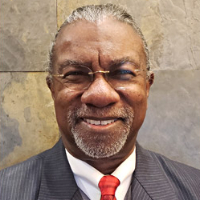
Tatyana Sibthorpe
BACP
Compassionate hypnotherapy and talking therapy support
- LGBT
- Addictions
- Relationship

16 years in practice
Clinical social work directory
244 therapists list lgbt among the things they work with. All offer sessions online, and every profile shows the registering body, the membership number and when it runs to.
On this page you will find profiles of therapists who list LGBT among their specialties, including hypnotherapy and related approaches. Browse the listings below to compare focus areas, approaches, credentials, languages and experience as you choose a professional who fits your needs.
BACP
Compassionate hypnotherapy and talking therapy support
NCPS
Hypnotherapy-informed counsellor focused on practical change
LCSW-C, LCSW
Experienced LCSW helping practical change
HCPC, BACP
Calm, practical support for life’s harder moments
HCPC
Gentle practical therapy with hypnotherapy options
BACP
Compassionate counsellor using hypnotherapy and CBT
BACP
Hypnotherapy-informed counsellor with extensive experience
LPC
Compassionate therapist who blends hypnotherapy and evidence-based care
BACP
Expert counsellor using mindfulness and hypnotherapy
NCPS
Calm, values-driven counselling and hypnotherapy
NCPS
Compassionate counsellor using hypnotherapy and listening skills
NCPS
Hypnotherapy and conversational counselling for change
BACP
Gentle, experienced counsellor for life changes
LMFT, LCMFT
Compassionate, direct therapy for relationship patterns
ACA
Practical, respectful counselling with hypnotherapy options
BACP
Supportive counsellor using hypnotherapy and mindfulness
NCPS
Experienced counsellor focused on practical change
WI Psychologist
Experienced psychologist using practical approaches
AASW
Experienced counsellor using hypnotherapy and evidence-based care
LPC
Compassionate counselor focused on meaningful change
NCPS
Calm, practical counselling with clear tools
LCSW
Compassionate hypnotherapy and holistic counseling
NCPS
Calm practical support for life’s hard moments
LMHC
Experienced counselor blending hypnotherapy and talk therapy
BACP, NCPS
Calm, practical therapy for life’s hard moments
Some links on this page are partner links. We will earn a commission if you sign up through one, at no cost to you. It does not change what you pay or the order of the listings.
LGBT is an umbrella term that refers to people who identify as lesbian, gay, bisexual or transgender. For many people the term also signals a broader set of identities and experiences related to sexual orientation, gender identity and gender expression. Identity is often woven into the everyday parts of life - relationships, family dynamics, work, health care and community belonging - and that makes issues tied to identity feel especially personal and meaningful.
You may find that being LGBT affects you in different ways depending on cultural background, age, faith, and where you live. Some people experience acceptance and connection that supports resilience, while others face stigma, misunderstanding or rejection that can influence mood, stress levels and how comfortable you are expressing yourself. The experience of exploring or adjusting identity can also bring up practical decisions about coming out, legal matters, medical transitions or relationship changes. Therapy can provide a place to process these experiences, build skills for coping, and plan for concrete steps when you want them.
Because identity intersects with other parts of life, you may notice that emotional or practical concerns show up alongside one another. You might be looking for help with anxiety or depression linked to discrimination, relationship navigation, recovery from trauma, or figuring out next steps in a transition. Understanding how identity shapes your priorities helps you and a clinician focus on what matters most to you.
If you are feeling overwhelmed by stress tied to identity, therapy can be a place to sort through what is happening and learn strategies to manage it. You might be noticing heightened anxiety in social settings, trouble sleeping, or persistent low mood that seems connected to experiences of rejection, bullying or internal conflict about your identity. Relationship difficulties are a common reason people seek support, whether you are navigating disclosure to family, negotiating boundaries with partners, or rebuilding connection after a breakup.
Transition-related decisions often bring both excitement and uncertainty. If you are weighing medical or legal options, considering a name or gender marker change, or planning conversations with employers or loved ones, you may benefit from working with someone who understands these processes. Therapy can help you prepare, manage emotions that come up, and identify resources. You might also seek therapy simply to explore identity in a reflective way - to deepen self-understanding, strengthen resilience, and develop communication skills that support healthier relationships.
Sometimes the signs are less dramatic: a persistent sense of isolation, doubts about where you fit in your community, or frustration with systems that feel unsupportive. Even if symptoms do not meet clinical thresholds, working with a therapist who is knowledgeable about LGBT concerns can make it easier to move forward with clarity and purpose.
When you begin therapy for LGBT-related matters, the first sessions are often focused on building rapport and getting a clear picture of your goals. Your clinician will typically ask about your history, current stressors, relationships, and what you hope to work on. You should expect a collaborative approach in which you set priorities and decide the pace of exploration. Some people start with immediate coping skills for stress or crisis management, while others take a more exploratory route to unpack identity formation and long-term goals.
Therapy sessions may include conversations about coming out, family dynamics, intimacy and dating, workplace navigation, or gender transition planning. Your clinician might help you develop communication techniques, problem-solving strategies, or emotion-regulation skills. If trauma is part of your history, sessions will usually proceed with attention to your readiness and safety. The process is tailored to your needs, and you should feel empowered to ask questions about approaches, expected timeframes, and how progress will be measured.
Many people appreciate when a therapist takes a flexible stance - balancing practical steps with deeper reflection. You can also expect to discuss boundaries and what kinds of support feel most useful to you. Therapy is not a one-size-fits-all service, and a good match is one where you feel heard and your identity is recognized as part of the work, not an afterthought.
Therapists who list Cognitive Behavioral Therapy among their approaches may focus on identifying and shifting unhelpful thinking patterns and behaviors that contribute to anxiety or depression. Those who list psychodynamic approaches often explore how past relationships and internal narratives shape your present experience. You will also find clinicians who list humanistic or person-centered approaches, which emphasize empathy, unconditional regard and helping you find your own path.
Some therapists list minority-stress frameworks among their approaches, which specifically address the unique stressors linked to stigma and discrimination. Others list trauma-informed methods when addressing histories of abuse or violence. You will encounter clinicians who list emotion-focused or interpersonal approaches to help with relationship issues, as well as those who list mindfulness-based strategies to support attention, stress reduction and self-compassion. When you review profiles, note the language used to describe approaches so you can imagine how a clinician might work with your concerns.
It is helpful to remember that listing an approach does not guarantee formal certification. Instead, use approach descriptions as a starting point for conversations. Asking how a therapist applies particular methods in real sessions will help you understand whether their style aligns with what you want from therapy.
Online therapy can make it easier to connect with clinicians who list LGBT-related experience regardless of where you live. Typically, online sessions take place via video or messaging, with some clinicians also offering phone-only options. You will want to find a quiet, quiet space where you can speak openly and without interruption. Sessions follow many of the same patterns as in-person care - assessment, goal-setting, regular meetings and homework or skill practice between appointments if that approach fits your goals.
Online work can be particularly useful if your local area has limited options that understand LGBT issues, or if you prefer the convenience of meeting from home. You should check how a clinician handles practical concerns such as record keeping, appointment length, session fees and methods of communication. When discussing online care, ask how they support crisis situations and what local resources they can connect you with if needed. Online therapy is one tool among many, and it can be blended with in-person support or community resources as your needs evolve.
Begin by clarifying what you want from therapy. Are you looking for support with coming out, relationship concerns, transition planning, trauma recovery or general self-exploration? Use those priorities to guide your search. Look for language in profiles that reflects an understanding of identity-related issues and pay attention to the approaches listed. If a profile says a therapist specializes in family work or works with gender transition concerns, that may align with your goals.
Consider practical factors beyond focus and approach. Language capabilities, cultural competence, and experience with particular age groups or faith backgrounds can all shape how well someone fits your needs. Read clinician descriptions closely and prepare a short list of questions to ask during an initial contact or consultation. You might ask how they integrate your identity into therapy, what a typical session looks like, and how they measure progress. Trust your instincts about whether their style feels compatible with the way you like to work.
Finally, remember that finding the right person can take time. It is reasonable to speak with more than one clinician before deciding who feels like the best match for you. Good therapy often depends on the relationship as much as the method, so prioritize how supported and understood you feel when you interact with a potential clinician.