
Dr. John Jones, IL Psychologist
Illinois · 20 years in practice
Dr. John Jones is a psychologist in Illinois with 20 years of experience helping people facing stress, anxiety, addictions, depression, and life changes.
License and registration
- Psychologist, Illinois
- 071002712 · expires September 2026
- NPI
- 1316712300 · national provider identifier
- Years in practice
- 20
- Languages
- English
Details are as listed on the therapist's public professional profile. You can check the license with the issuing state board, and the NPI with the national registry.
About John
Dr. John Jones is a psychologist in Illinois with 20 years of experience helping people facing stress, anxiety, addictions, depression, and life changes. He works with individuals on parenting and fatherhood concerns, career struggles, relationship challenges, and problems tied to isolation or grief.
He uses practical, person-centered methods so conversations stay focused and clear. He combines several approaches to match a person’s needs. That can include hypnotherapy, cognitive behavioral techniques, acceptance and commitment strategies, and client-centered talk therapy.
Background and approach
Sessions include straightforward education about what’s happening and specific steps people can try between meetings. For addiction-related concerns he offers assessment, harm reduction strategies, psychotherapy, and guidance about peer-support groups. This includes support for drug and alcohol problems as well as process addictions like gambling or problematic online use.
He aims to help people build routines and supports that reduce risk and improve daily functioning. Dr. Jones describes his work as values-based and solution-focused.
He emphasizes self-awareness, clear goals, and steady action toward change. Psychological testing is available when a deeper understanding of mood, attention, or behavior is needed. He is licensed as an Illinois psychologist (IL Psychologist 071002712) and practices using a mix of therapy and coaching tools.
Sessions are offered in English and delivered online through video, phone, live chat, or text messaging.
Focus areas and approaches
Everything John lists on their public professional profile, in their own terms.
- Stress, Anxiety
- Addictions
- Depression
- Coaching
- ADHD
- Relationship issues
- Family conflicts
- Trauma and abuse
- Grief
- Parenting issues
- Anger management
- Self esteem
- Career difficulties
- Coping with life changes
- Drug and alcohol addiction
- Family problems
- Fatherhood issues
- Isolation / loneliness
- Life purpose
- Mood disorders
- Panic disorder and panic attacks
- Process addiction (porn, exercise, gambling)
- Workplace issues
Approaches John names
- Hypnotherapy
- Acceptance and Commitment Therapy (ACT)
- Client-Centered Therapy
- Cognitive Behavioral Therapy (CBT)
- Existential Therapy
- Mindfulness Therapy
- Solution-Focused Therapy
- Trauma-Focused Therapy
Naming an approach is not evidence of training in it. This directory copies what each therapist lists and does not check training records.
Online support
How these approaches translate to online care
Hypnotherapy is an approach that uses guided focus and suggestion to help people change habits, manage cravings, or reduce stress. It can be paired with talk work to support behavior change or coping with anxiety.Acceptance and Commitment Therapy (ACT) emphasizes clarifying personal values and taking committed action, even when difficult thoughts or feelings are present. It helps people facing mood concerns, addiction struggles, or life transitions by teaching practical skills to stay engaged with what matters.
Client-centered therapy centers on respectful listening and creating a steady, nonjudgmental space to talk things through. That approach helps people feel heard, identify strengths, and decide on next steps that fit their lives.
Finding the right mix of methods is part of the work. The therapist will collaborate with each person to choose approaches based on their goals, preferences, and how they respond in early sessions. Adjustments are common until a good fit is found.
Online sessions can be scheduled as video calls, phone sessions, live chat, or text messaging to match different needs. Video works well for full sessions that include conversation and exercises. Phone calls are useful when bandwidth or camera use is limited. Live chat and text messaging can support quick check-ins, coaching-style guidance, or short follow-ups between meetings. These options make it easier to fit therapy into a busy life and maintain regular contact while progressing toward goals.
We will earn a commission if you sign up through our link, at no cost to you. It does not change what you pay or the order of the listings.
Questions people ask
What kinds of concerns does he address?
He works with stress, anxiety, addictions, depression, grief, and challenges such as ADHD, anger, parenting, career, and life transitions.
What is his therapy style like?
His style is person-centered and values-based with a focus on practical steps. Sessions include education, goal setting, and strategies to try between meetings.
How much experience does he have?
He has 20 years of clinical experience working in assessment, psychotherapy, and addiction recovery support.
What credentials and location are listed?
He is a licensed psychologist in Illinois with the designation IL Psychologist 071002712 and practices from Illinois.
Which languages are supported?
Sessions are offered in English.
What session formats are available?
He offers video calls, phone sessions, live chat, and text-based messaging to fit different needs and schedules.
How does payment and cost work?
Cost varies with location and therapist availability; sessions use a subscription that can be canceled at any time.
How do I begin working with him?
Use the Start Therapy button, complete a short matching questionnaire, and schedule sessions according to the therapist's availability.
More therapists in Illinois
See all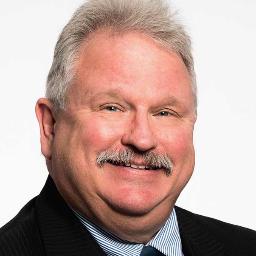
Dr. Akamin Nkengaka
LCSW
Compassionate, practical help for tough times
- Stress, Anxiety
- Addictions
- Trauma and abuse

Regina Hughes
LCPC
Experienced LCPC focused on practical change
- Stress, Anxiety
- Trauma and abuse
- Anger

Camille Jones
LCPC
Calm, practical therapy for major life shifts
- Stress, Anxiety
- Trauma and abuse
- Self esteem

Is this your profile?
Ask us to correct details or take the page down.
Contact us