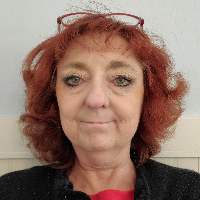
Tatyana Sibthorpe
BACP
Compassionate hypnotherapy and talking therapy support
- Addictions
- Relationship
- Trauma and abuse

16 years in practice
Clinical social work directory
180 therapists list gambling among the things they work with. All offer sessions online, and every profile shows the registering body, the membership number and when it runs to.
Find therapists who work with gambling-related concerns and who list a range of approaches, credentials and languages. Browse the listings below to review focus areas and find profiles that match what you want.
BACP
Compassionate hypnotherapy and talking therapy support
NCPS
Hypnotherapy-informed counsellor focused on practical change
LMHC
Practical guidance with calming, steady support
NCPS
Practical, strength-based support with hypnotherapy
BACP
Expert counsellor using mindfulness and hypnotherapy
NCPS
Hypnotherapy and conversational counselling for change
NCPS
Therapist offering hypnotherapy and talking therapies
NCPS
Calm, practical support for stress and relationships
LMFT, LCMFT
Compassionate, direct therapy for relationship patterns
NCPS
Calm, practical therapy for everyday overwhelm
BACP
Practitioner offering hypnotherapy and mindful counselling
ACA
Practical, respectful counselling with hypnotherapy options
BACP
Gentle, person-centred support with hypnotherapy
LCSW
Compassionate, practical help for tough times
NCPS
Experienced counsellor focused on practical change
WI Psychologist
Experienced psychologist using practical approaches
BACP
Experienced psychotherapist and coach
NCPS
Person-focused hypnotherapy and mindfulness support
BACP
Calm, practical counselling with multiple approaches
NCPS
Calm practical support for life’s hard moments
BACP, NCPS
Calm, practical therapy for life’s hard moments
BACP
Calm, practical counselling focused on daily change
BACP, NCPS
Practical, strengths-based counselling and hypnotherapy
BACP
Insightful counsellor blending hypnotherapy and therapy
LPC
Compassionate, goal-focused support for life changes
LPC, LPCC
Calm practical therapy for life’s hard moments
NCPS
Warm integrative counsellor with practical focus
LCSW
Practical, goal-focused therapy with hypnosis options
NCPS
Collaborative counsellor using hypnotherapy and talking therapies
ACA
Calm, practical counselling for everyday life
BACP
Compassionate counsellor combining talk and hypnotherapy
BACP
Support for anxiety, addiction and relationships
LCSW, CSW
Experienced LCSW focused on practical change
Some links on this page are partner links. We will earn a commission if you sign up through one, at no cost to you. It does not change what you pay or the order of the listings.
Gambling means placing money or something of value on an uncertain outcome with the hope of a gain. For many people, gambling is an occasional form of entertainment. For others, patterns of repeated betting, chasing losses, or preoccupation with wagering can create serious strain. You may notice that gambling stretches across many areas of life - it can affect mood, finances, daily routines and relationships. The experience differs from person to person, but common themes include a growing tolerance for risk, difficulty stopping, and a narrowing of interests as gambling takes more of your time and attention.
Emotional responses to gambling vary. You might feel excitement and relief when you win, combined with shame, guilt or anxiety during losses or when gambling interferes with responsibilities. Many people describe a cycle of brief highs followed by low moods, which can make it harder to break the pattern. Practical consequences may show up as late payments, borrowing from friends or family, or sacrificing activities you used to enjoy. Because the causes and consequences are multi-layered, a conversational and exploratory approach in therapy can help you untangle what gambling means in the context of your life and what change might look like for you.
If you are wondering whether to seek support, there are several signs that suggest talking with a therapist could help. You might be spending more time thinking about gambling than you want to, or finding it difficult to control urges to bet even when you tell yourself you will stop. You may notice financial strain, tension with family or friends, or that gambling is used to cope with boredom, stress or difficult emotions. These patterns often create a feedback loop - stress leads to gambling, gambling leads to more stress, and the cycle becomes self-sustaining.
Another important indicator is impact. If gambling is reducing your ability to meet work or family obligations, affecting sleep, or causing frequent worry and regret, these changes are meaningful reasons to reach out for help. You do not need to wait until consequences are severe to get support. Therapy is also appropriate if you are seeking ways to minimize harm, change how you respond to urges, repair relationships affected by gambling, or develop alternative coping strategies. A tailored conversation with a therapist can help clarify goals and practical next steps.
When you begin therapy for gambling-related concerns, the first sessions typically focus on understanding your personal history with gambling, current triggers and immediate goals. Your therapist will ask about patterns - when gambling happens, what feelings precede it, and what follows. This is an opportunity to create a shared plan that reflects what you want to change, rather than a one-size-fits-all prescription. You and your therapist will discuss short-term strategies to reduce harm and long-term approaches to address underlying factors such as mood, stress or relationship issues.
Therapy often blends practical skills with reflective work. You may practice strategies to manage urges, set boundaries around money and time, and create routines that reduce opportunities for problematic gambling. Sessions can also explore the role of emotions and beliefs - for example, whether gambling serves as a way to avoid unpleasant feelings or to chase a belief that a big win will solve problems. Over time, many people work on rebuilding trust with others, improving communication about finances, and strengthening routines that support wellbeing. Progress can be gradual, and therapy offers a structured place to test new behaviors and adjust the plan as you go.
Different therapists bring various methods to their work, and many will combine approaches to match your needs. Cognitive-behavioral ideas are commonly used because they focus on identifying patterns of thinking and behavior that maintain gambling. You may encounter therapists who list CBT among their approaches and who use it to help you notice impulsive thoughts, plan coping responses, and practice alternative behaviors. Motivational strategies are also frequent in early work to help you clarify why change matters and build your own reasons for reducing or stopping gambling.
Some therapists emphasize relapse prevention and behavioral experiments to test new ways of responding to triggers. Others explore emotional or relational factors that contribute to gambling, and you may find therapists who list psychodynamic or family approaches among their methods. In certain cases, therapists who list EMDR among their approaches may work with trauma-related memories that intersect with gambling behavior, while those who list mindfulness-based or acceptance-oriented approaches may teach skills to observe urges without acting on them. Because this directory records the approaches therapists report using, you can look for profiles that mention the methods you find appealing and discuss them during an initial consultation.
Online therapy offers flexibility in how you meet with a therapist - video calls, phone conversations or messaging can reduce travel time and let you receive help from a convenient setting. For gambling-related support, online sessions can be effective for discussing triggers, learning coping strategies and working on financial planning or communication skills. You may prefer online work if accessibility, scheduling or geographic location is a concern. Some people use a mix of in-person and online sessions depending on what feels most supportive at different stages of change.
When you look through profiles, focus on details that matter to you. Consider the therapist's stated focus areas and approaches, the credentials they list, and whether they mention work with gambling-related issues. Language and cultural competence can be important if you want care that aligns with your background or identity. Reading descriptions can give you a sense of their approach - whether they emphasize practical skills, emotional processing, family work or habit change. Keep in mind that a good match often comes down to how comfortable you feel with a therapist's style, so use profile information to narrow options and to prepare questions to ask during an initial conversation.
Think about logistical preferences such as session length, communication style, and whether you prefer a focus on skills or exploration of underlying issues. You may also want to ask how a therapist typically structures sessions for gambling-related concerns, whether they work collaboratively on financial and relational planning, and how they measure progress. It is reasonable to inquire about the approaches they list and to ask what those approaches look like in practice. Because the directory shows what therapists report using, bringing specific questions will help you understand how an approach would be applied to your situation.
Finally, remember that seeking help is a step toward greater control and clarity. Therapy can offer practical tools to manage urges, reduce harm and rebuild parts of your life affected by gambling. Whether you choose online sessions or meet in person, finding a therapist whose focus areas and approaches align with your goals can make it easier to take action and sustain changes that matter to you.