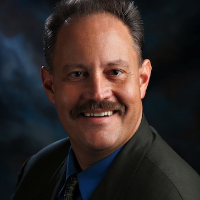
Dr. Robert Hanser, LPC
Louisiana · 25 years in practice
Dr. Robert Hanser is a licensed professional counselor in Louisiana who helps people facing addiction, trauma, relationship strain, mood concerns, and life transitions.
License and registration
- LPC, Louisiana
- 3747 · expires June 2026
- LPC, Texas
- 18075 · expires October 2026
- NPI
- 1295020873 · national provider identifier
- Years in practice
- 25
- Languages
- English
Details are as listed on the therapist's public professional profile. You can check the license with the issuing state board, and the NPI with the national registry.
About Robert
Dr. Robert Hanser is a licensed professional counselor in Louisiana who helps people facing addiction, trauma, relationship strain, mood concerns, and life transitions. He has 25 years of clinical experience and uses a blend of practical talk therapy and techniques that reach beneath conscious thinking when appropriate.
He begins by listening and understanding each person's main worries. Sessions can be warm and exploratory or more focused and directive, depending on the person's needs and goals.
Background and approach
He aims to offer clear, concrete feedback and usable options rather than vague advice. His work often combines client-centered listening with cognitive-behavioral methods to change unhelpful thoughts and behaviors. He also draws on emotionally focused work to address relationship and intimacy issues and hypnotherapy when exploring subconscious patterns is helpful.
Dr. Hanser has long experience with addiction, domestic violence, veteran and armed forces issues, and trauma-related concerns. He also supports people navigating grief, career changes, parenting strain, and midlife reassessment.
He approaches difficult topics without judgment and keeps the focus on the person's welfare. In sessions he offers straightforward questions, reflective listening, and practical exercises people can use between appointments. He collaborates with each person to choose the approach that best fits their goals and circumstances.
If the described style sounds helpful, a simple intake questionnaire and scheduling step is the usual way to begin.
Focus areas and approaches
Everything Robert lists on their public professional profile, in their own terms.
- Addictions
- Relationship issues
- Family conflicts
- Trauma and abuse
- Intimacy-related issues
- Stress, Anxiety
- Grief
- Parenting issues
- Anger management
- Self esteem
- Career difficulties
- Bipolar disorder
- Depression
- Coping with life changes
- Compassion fatigue
- Antisocial personality
- Blended family issues
- Codependency
- Coping with natural or human-caused disaster
- Dependent personality
- Divorce and separation
- Domestic violence
- Drug and alcohol addiction
- Guilt and shame
- Life purpose
- Men's issues
- Midlife crisis
- Veteran and Armed Forces Issues
- Mood disorders
- Personality disorders
- Post-traumatic stress
- Process addiction (porn, exercise, gambling)
- Self-harm
- Sexual assault and abuse
- Social anxiety and phobia
- Workplace issues
Approaches Robert names
- Hypnotherapy
- Client-Centered Therapy
- Cognitive Behavioral Therapy (CBT)
- Emotionally-Focused Therapy (EFT)
- Existential Therapy
- Eye Movement Desensitization and Reprocessing (EMDR)
- Motivational Interviewing
- Psychodynamic Therapy
- Solution-Focused Therapy
- Trauma-Focused Therapy
- Internal Family Systems
Naming an approach is not evidence of training in it. This directory copies what each therapist lists and does not check training records.
Online support
Approaches used online and what they involve
Hypnotherapy is used as a way to access patterns below conscious thought and can be helpful for habits, trauma-related reactions, and certain anxiety or addiction concerns. It typically involves guided relaxation and focused attention to work with underlying responses.Client-Centered Therapy focuses on listening carefully and reflecting what a person says to create understanding and personal insight. This approach helps people feel heard and build confidence to make changes at their own pace.
Cognitive Behavioral Therapy, or CBT, addresses the links between thoughts, feelings, and actions. It uses practical exercises and tools to change unhelpful thinking and to develop new behaviors for issues like anxiety, depression, and stress.
Choosing an approach is collaborative. The therapist discusses goals, preferences, and what has or has not helped in the past, then adjusts methods over time. People often try a mix of techniques to find what fits best.
Online formats include video calls, phone sessions, live chat, and text-based messaging. Video sessions allow face-to-face interaction for deeper emotional work. Phone sessions can be easier if bandwidth is limited or a shorter check-in is needed. Live chat and messaging are useful for brief updates, homework discussion, or when written reflection feels more helpful. These options make it easier to fit therapy into a busy schedule and to keep regular contact between appointments.
We will earn a commission if you sign up through our link, at no cost to you. It does not change what you pay or the order of the listings.
Questions people ask
What concerns does he help with?
He works with a wide range of issues including addictions, trauma and abuse, relationship and intimacy problems, mood disorders such as depression and bipolar, anxiety, grief, parenting strain, anger, and career transitions.
What is his therapy style like?
He blends client-centered listening with more directive feedback when needed. Sessions may include reflective listening, practical exercises, and techniques aimed at changing thoughts and behaviors.
How much clinical experience does he have?
He brings 25 years of counseling experience working with people facing substance abuse, trauma, veteran issues, family violence, and life transitions.
What credentials and location are listed?
He is an LPC - Licensed Professional Counselor - with credentials noted for Louisiana and Texas, and is based in Louisiana.
Which languages and international clients are supported?
Sessions are offered in English and he accepts international clients.
What session formats are available?
He offers video calls, phone sessions, live chat, and text-based messaging to fit different schedules and preferences.
How does payment and cost work?
Cost varies with location and therapist availability; sessions use a subscription model that can be canceled at any time.
How do I get started with therapy?
Begin by selecting the Start Therapy button, complete a short matching questionnaire, and then schedule sessions based on therapist availability.
More therapists in Louisiana
See allElrick Nelson
LPC
Compassionate, practical counseling with hypnotherapy options
- Stress, Anxiety
- Addictions
- Trauma and abuse

Dr. Rita Martin
LPC
Focused, practical counseling for real life
- Stress, Anxiety
- Trauma and abuse
- Parenting
Is this your profile?
Ask us to correct details or take the page down.
Contact us