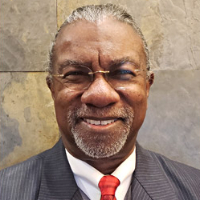
Chris Sergeant
BACP
Practical counselling with hypnotherapy options
- Stress, Anxiety
- Relationship
- Family

13 years in practice
Clinical social work directory
206 therapists list men's issues among the things they work with. All offer sessions online, and every profile shows the registering body, the membership number and when it runs to.
Browse profiles of therapists who list men's issues among their specialties, including approaches, credentials and languages spoken. Use the listings below to explore clinicians who work with concerns like relationships, identity, emotional regulation and life transitions. Compare profiles to find the background and approach that feel like the best fit for your needs.
BACP
Practical counselling with hypnotherapy options
NCPS
Hypnotherapy-informed counsellor focused on practical change
HCPC
Gentle practical therapy with hypnotherapy options
NCPS
Practical, strength-based support with hypnotherapy
BACP
Hypnotherapy-informed counsellor with extensive experience
LPCC, LPC
Collaborative counselor blending practical therapies
BACP
Expert counsellor using mindfulness and hypnotherapy
NCPS
Practical, approachable counselling with hypnotherapy
NCPS
Calm, values-driven counselling and hypnotherapy
NCPS
Compassionate counsellor using hypnotherapy and listening skills
NCPS
Hypnotherapy and conversational counselling for change
NCPS
Therapist offering hypnotherapy and talking therapies
NCPS
Calm, practical therapy for everyday overwhelm
BACP
Practitioner offering hypnotherapy and mindful counselling
ACA
Practical, respectful counselling with hypnotherapy options
BACP
Compassionate therapist helping people change patterns
BACP
Gentle, person-centred support with hypnotherapy
BACP
Helping people find calm and practical change
LCSW
Compassionate, practical help for tough times
NCPS
Experienced counsellor focused on practical change
WI Psychologist
Experienced psychologist using practical approaches
AASW
Experienced counsellor using hypnotherapy and evidence-based care
BACP
Practical hypnotherapy-informed counselling
LPC
Compassionate counselor focused on meaningful change
NCPS
Person-focused hypnotherapy and mindfulness support
BACP
Calm, practical support for difficult moments
BACP
Calm, practical counselling with multiple approaches
NCPS
Calm practical support for life’s hard moments
NCPS
Practical hypnotherapy with goal-focused counselling
BACP, NCPS
Calm, practical therapy for life’s hard moments
NCPS
Experienced hypnotherapy and talking therapist
LCPC
Experienced LCPC focused on practical change
BACP
Calm, practical counselling focused on daily change
BACP
Experienced psychotherapeutic counsellor focusing on practical support
NCPS
Gentle, pluralistic counsellor for adult concerns
BACP
Insightful counsellor blending hypnotherapy and therapy
LPC, LPCC
Calm practical therapy for life’s hard moments
Some links on this page are partner links. We will earn a commission if you sign up through one, at no cost to you. It does not change what you pay or the order of the listings.
Men's issues is a broad term that captures the social, emotional and interpersonal challenges many people assigned male at birth or identifying as men face. These concerns often include difficulties with emotional expression, stress related to work or provider expectations, struggles with intimacy or communication, questions about gender roles and identity, experiences of anger or irritability that feel hard to manage, and life transitions such as becoming a parent or coping with relationship changes. Because cultural norms shape how you learn to show emotions and seek help, men's issues can show up in ways that feel different from other stress responses. You might notice a tendency to withdraw, to take risks to prove competence, or to focus on problem-solving while pushing aside feelings. Over time those patterns can affect mood, relationships and daily functioning.
You may experience heightened irritability, difficulty forming close connections, trouble asking for help, or a persistent sense that you need to meet external expectations. Some people turn to substance use or overwork to manage uncomfortable emotions. Others notice that anger or defensiveness has become a default in conflict, or that anxiety and low mood only surface as physical symptoms like sleep disruption or headaches. Recognizing these patterns is often the first step toward change, and therapy provides a place to explore how social messages, personal history and current stressors interact in your life.
Deciding to look for a therapist often begins with practical signals that things are harder than they should be. If you find yourself repeating the same relationship conflicts, feeling stuck after a major life change, or relying on avoidance to get through the day, therapy can offer new ways of responding. You might notice that problems interfere with work performance, strain friendships and family ties, or drain your motivation and joy. It is common to delay seeking help because of concern about being judged or fear of seeming weak, so recognizing when patterns are persistent or harmful is important. Therapy is not only for crisis moments; many people turn to it when they want to improve communication skills, manage stress more effectively, or better understand how masculinity influences their choices and relationships.
If you are relying on short-term fixes that leave you feeling worse later, or if repeated conflicts keep showing up in dating and family relationships, those are practical signs that a new approach could be helpful. Therapy can help you learn to notice the early warning signs of escalation, try different coping strategies and practice clearer expression of needs. You do not need to wait until problems become overwhelming to seek support.
Therapy for men's issues tends to be collaborative and goal-oriented, while also allowing room for deeper exploration of roots and meaning. Early sessions often focus on the concerns that prompted you to look for help - perhaps relationship tension, difficulty managing anger, or uncertainty about identity and purpose. Your therapist will typically ask about current stressors, personal history and what you hope to change. Sessions may include learning practical skills for emotional regulation, communication and stress management, as well as exploring how early experiences and cultural expectations shape your responses. You can expect a mix of reflective conversation and targeted exercises you can practice between sessions.
The pace of therapy can vary based on your goals. Some people prefer short-term work centered on a specific issue such as improving communication with a partner, while others pursue longer-term exploration of how masculinity, family dynamics and life transitions have influenced their sense of self. You should expect a balance of immediate coping tools and opportunities to reflect on patterns that recur over time. Therapists often collaborate with you to set priorities and revisit goals as you make progress. If you have questions about what a therapist emphasizes - such as skills training versus deeper narrative work - it is normal and useful to discuss that early in the process.
There is no single approach that fits everyone, and many therapists combine ideas from different models to address the range of concerns that fall under men's issues. You may find therapists who list cognitive behavioral therapy among their approaches, which focuses on identifying and changing unhelpful thinking and behavior patterns. Others may list psychodynamic approaches that explore how earlier relationships and experiences shape current patterns. There are therapists who list emotion-focused work among their approaches, which helps you name, tolerate and work with difficult emotions. You may also encounter clinicians who list somatic or body-centered approaches among their approaches, which attend to how stress and emotion show up physically. Because this directory includes hypnotherapists, you will find therapists who list hypnotherapy among their approaches as one of several tools they offer.
When considering different approaches, think about whether you prefer structured skills training, deeper reflective work, or a combination. If improving communication and managing anger are central goals, approaches that emphasize skills and behavioral change can be practical. If understanding relational patterns or identity feels more important, therapies that explore history and meaning may be a better fit. It is common to try an approach for a period and then adjust if your needs change. Profiles in the listings will typically indicate which approaches a therapist lists, giving you information to weigh as you compare backgrounds and styles.
Online therapy has become a common option for people seeking help with men's issues because it can reduce travel time and allow you to meet with clinicians whose experience and language skills match your needs. Sessions are usually conducted by video or phone, and the structure mirrors in-person work: you will discuss goals, practice skills and reflect on progress. Many people find that meeting from home or another comfortable environment helps them open up more quickly, while others prefer an office setting for focused conversation. Consider what setting helps you feel more present and able to engage in the work.
If you pursue online therapy, think about where you will participate so you can speak without interruptions and feel at ease. Some people choose a parked car or a quiet room in a friend’s home to create a focused space. Technical factors like a reliable internet connection and a device with a camera matter for video sessions. You may also want to ask a therapist about their approach to remote work, how they structure between-session practice, and whether they offer materials you can use offline. Online therapy can be effective for many of the common concerns associated with men's issues, including stress, relationship challenges and emotional regulation; matching the modality and approach to your goals will help you get the most from the experience.
Choosing a therapist is a personal process. Start by clarifying your priorities - whether you want someone who emphasizes practical skills, wants to explore identity and meaning, or offers hypnotherapy among their approaches. Look at therapist profiles to compare the focus areas they list, the approaches they mention and any professional credentials or experience shared in their descriptions. Pay attention to language - if you prefer a clinician who understands how gender roles affect emotional life or who speaks certain languages, that can be an important match. Reading therapist summaries can give a sense of their style and the populations they mention working with.
As you browse, think about what feels most important: Do you want a collaborative, action-oriented clinician or someone who will prioritize exploration of history and identity? Are communication skills for relationships a central goal, or is managing anger and stress the top priority? Consider whether you prefer in-person sessions or are open to online work, and weigh how a therapist's listed approaches align with the methods you want to try. Trust your instincts about whose description resonates with you, and remember that it's normal to consult with more than one therapist before deciding who feels like the best fit for the work ahead.
Finding a therapist who understands the particular pressures and experiences tied to masculinity and gender expectations can open new paths toward healthier relationships, improved emotional awareness and greater life satisfaction. Take your time exploring the listings below, and use the information provided to select a therapist whose background and approach match your priorities.