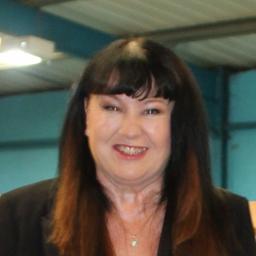
Judith "Jude" Holland, BACP
27 years in practice
Judith "Jude" Holland supports people facing relationship worries, grief, mood shifts and other major life changes.
License and registration
- BACP
- 9713 · expires September 2026
- Years in practice
- 27
- Languages
- English
Details are as listed on the therapist's public professional profile. You can check the registration with the body that granted it.
About Judith
Judith "Jude" Holland supports people facing relationship worries, grief, mood shifts and other major life changes. She works with those dealing with trauma and abuse, bipolar difficulties, addictions and issues around intimacy and self‑esteem. Jude speaks plainly and aims to make first steps feel manageable for someone who is nervous about starting therapy.
She sees the person as the expert on their life and looks for strengths to build on.
Background and approach
Sessions focus on practical ways to manage symptoms and improve day‑to‑day functioning. Jude uses conversational methods to help people notice patterns and try different ways of coping. Her background spans 27 years working in UK services, including roles in sexual assault support and adult education.
She has also worked in leadership roles in education and supported people with performance anxiety in music settings. That variety shapes a flexible approach to each person's situation. Jude draws on a mix of approaches and tailors them to individual needs.
She blends hypnotherapy, acceptance and commitment ideas, attachment work, client‑centred listening and cognitive behavioural techniques where helpful. The aim is to match tools to goals, not to force one method on everyone. People can expect steady, straightforward support and a focus on practical change.
Jude emphasises being heard and respected while also offering gentle challenge. She works in English and sees international clients as well.
Focus areas and approaches
Everything Judith lists on their public professional profile, in their own terms.
- Relationship issues
- Trauma and abuse
- Grief
- Bipolar disorder
- Coping with life changes
- Addictions
- LGBT
- Intimacy-related issues
- Eating disorders
- Sleeping disorders
- Parenting issues
- Anger management
- Self esteem
- Career difficulties
- Depression
- Coaching
- Abandonment
- Aging and geriatric issues
- Attachment issues
- Autism and Asperger Syndrome
- Avoidant personality
- Blended family issues
- Cancer
- Caregiver issues and stress
- Chronic pain, illness, and disability
- Co-morbidity
- Codependency
- Commitment issues
- Communication problems
- Control issues
- Coping with natural or human-caused disaster
- Dependent personality
- Disruptive Mood Dysregulation Disorder (DMDD)
- Dissociation
- Divorce and separation
- Domestic violence
- Emptiness
- Family of origin issues
- Family problems
- Fatherhood issues
- Fertility issues
- First responder issues
- Forgiveness
- Guilt and shame
- Hearing impaired
- Hoarding
- Impulsivity
- Infidelity
- Intellectual disability
- Isolation / loneliness
- Jealousy
- Life purpose
- Men's issues
- Midlife crisis
- Money and financial issues
- Mood disorders
- Narcissism
- Panic disorder and panic attacks
- Personality disorders
- Phobias
- Polyamory / non-monogamous relationships
- Postpartum depression
- Post-traumatic stress
- Pregnancy and childbirth
- Process addiction (porn, exercise, gambling)
- Seasonal Affective Disorder (SAD)
- Self-harm
- Self-love
- Sexual assault and abuse
- Sexual dysfunction
- Sexuality
- Social anxiety and phobia
- Women's issues
- Workplace issues
- Young adult issues
Approaches Judith names
- Hypnotherapy
- Acceptance and Commitment Therapy (ACT)
- Attachment-Based Therapy
- Client-Centered Therapy
- Cognitive Behavioral Therapy (CBT)
- Dialectical Behavior Therapy (DBT)
- Emotionally-Focused Therapy (EFT)
- Eye Movement Desensitization and Reprocessing (EMDR)
- Mindfulness Therapy
- Motivational Interviewing
- Psychodynamic Therapy
- Solution-Focused Therapy
- Somatic Therapy
- Trauma-Focused Therapy
- Internal Family Systems
Naming an approach is not evidence of training in it. This directory copies what each therapist lists and does not check training records.
Online support
How Jude blends approaches for online therapy
Jude uses hypnotherapy to help people access relaxed focus and to work on unhelpful patterns, memories or reactions in a gentle, guided way. Acceptance and Commitment Therapy, or ACT, helps people notice difficult thoughts and feelings while committing to actions that match their values and life goals.Finding the right approach is part of the work. Jude will discuss each method and try options together so the client can see what fits. The aim is a collaborative plan that matches the person's goals, preferences and day‑to‑day realities.
Online sessions are offered by video call, phone, live chat or text‑based messaging to provide flexibility. Video calls allow face‑to‑face conversation and visual cues, phone sessions can be easier when bandwidth is limited, and brief check‑ins work well by text or chat. These choices make it easier to fit therapy around work, family and travel commitments, and to keep momentum between sessions.
We will earn a commission if you sign up through our link, at no cost to you. It does not change what you pay or the order of the listings.
Questions people ask
What kinds of concerns does Jude help with?
She helps people with relationship problems, trauma and abuse, grief, bipolar difficulties, depression, addictions, intimacy and self‑esteem issues, and other life changes.
What is Jude's therapeutic style like?
Her style is conversational and practical, focusing on strengths and small, achievable changes. She adapts methods to each person's needs rather than using a single fixed approach.
How long has Jude been practising?
Jude has 27 years of professional experience working in UK services, including sexual assault support and adult education.
What credential does she hold and where is she based?
She is listed with the British Association for Counselling and Psychotherapy, shown as BACP, and is based in the United Kingdom.
Which languages are sessions offered in?
Sessions are offered in English and she also accepts international clients.
What session formats are available?
Jude offers video calls, phone sessions, live chat and text‑based messaging to suit different needs and schedules.
How are sessions paid for and what do they cost?
Costs vary with location and therapist availability; sessions use a subscription model that can be cancelled at any time.
How do I begin working with Jude?
Use the Start Therapy button, complete a short matching questionnaire, and then schedule sessions according to the therapist's availability.
Is this your profile?
Ask us to correct details or take the page down.
Contact us