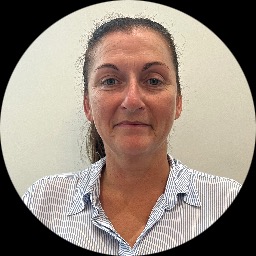
Tatyana Sibthorpe
BACP
Compassionate hypnotherapy and talking therapy support
- Addictions
- Relationship
- Trauma and abuse

16 years in practice
Clinical social work directory
264 therapists list seasonal affective disorder (sad) among the things they work with. All offer sessions online, and every profile shows the registering body, the membership number and when it runs to.
This page lists therapists who include Seasonal Affective Disorder (SAD) among their specialties. Browse the listings below to review approaches, languages, and experience and learn more about each professional.
BACP
Compassionate hypnotherapy and talking therapy support
NCPS
Hypnotherapy-informed counsellor focused on practical change
LMHC
Practical guidance with calming, steady support
HCPC
Gentle practical therapy with hypnotherapy options
NCPS
Practical, strength-based support with hypnotherapy
LPC
Compassionate therapist who blends hypnotherapy and evidence-based care
LPCC, LPC
Collaborative counselor blending practical therapies
BACP
Expert counsellor using mindfulness and hypnotherapy
NCPS
Practical, approachable counselling with hypnotherapy
NCPS
Hypnotherapy and conversational counselling for change
NCPS
Therapist offering hypnotherapy and talking therapies
BACP
Gentle, experienced counsellor for life changes
NCPS
Calm, practical support for stress and relationships
LMFT, LCMFT
Compassionate, direct therapy for relationship patterns
NCPS
Calm, practical therapy for everyday overwhelm
BACP
Calm, practical support for stress and life change
BACP
Practitioner offering hypnotherapy and mindful counselling
ACA
Practical, respectful counselling with hypnotherapy options
BACP
Supportive counsellor using hypnotherapy and mindfulness
BACP
Gentle, person-centred support with hypnotherapy
LCSW
Compassionate, practical help for tough times
AASW
Experienced counsellor using hypnotherapy and evidence-based care
NCPS
Practical counselling with a warm, adaptable approach
BACP
Practical hypnotherapy-informed counselling
NCPS
Person-focused hypnotherapy and mindfulness support
NCPS
Calm, practical counselling with clear tools
BACP
Calm, practical support for difficult moments
BACP
Calm, practical counselling with multiple approaches
LCSW
Compassionate hypnotherapy and holistic counseling
NCPS
Calm practical support for life’s hard moments
LMHC
Experienced counselor blending hypnotherapy and talk therapy
BACP, NCPS
Calm, practical therapy for life’s hard moments
NCPS
Hypnotherapy and talking therapies for anxiety
BACP, NCPS
Practical counselling with hypnotherapy support
LCPC
Experienced LCPC focused on practical change
Some links on this page are partner links. We will earn a commission if you sign up through one, at no cost to you. It does not change what you pay or the order of the listings.
Seasonal Affective Disorder, often abbreviated SAD, refers to a pattern of mood changes that corresponds with seasonal shifts, most commonly occurring in the fall and winter months. For many people the change is more than just a temporary dip in energy. You may notice a consistent pattern year after year that affects sleep, appetite, motivation, and the ability to take pleasure in activities you normally enjoy. Symptoms can vary in intensity and in how they show up in daily life, and the experience is often shaped by your personal history, lifestyle, and environment.
Because seasonal patterns can feel cyclical, it can be hard to know when to seek help. You might find that the problem is not just feeling down for a short time but a persistent shift in mood and functioning that interferes with relationships, work, or hobbies. Therapy can provide a space to explore patterns, identify triggers, and develop practical strategies to manage mood changes when seasons shift. In addition to therapeutic work, many people consider lifestyle adjustments and coordination with medical providers when relevant, so therapy is often one component of a broader plan to handle seasonal mood changes.
If you are wondering whether therapy could help, look for patterns rather than isolated bad days. You might benefit from talking with a therapist if you notice that low mood aligns with shorter daylight months, if you experience changes in sleep such as sleeping more than usual, if appetite or weight shifts accompany seasonal changes, or if you withdraw from social activities you usually enjoy. Difficulty concentrating, feeling slowed down, or persistent fatigue that does not improve with rest are also common. Emotional symptoms such as increased irritability, hopelessness, or heightened anxiety that recur seasonally can be indicators that professional support would be useful.
It can be particularly helpful to seek a therapist if these patterns begin to interfere with your responsibilities or relationships, or if coping strategies you have used in the past are no longer effective. Therapy is not only for crisis moments; it can be a proactive way to develop a plan for the months when symptoms tend to emerge. A therapist can help you track patterns, test strategies, and build routines that reduce the impact of seasonal shifts over time.
When you begin working with a therapist for Seasonal Affective Disorder, the first sessions typically involve gathering a clear picture of how seasons affect your mood, energy, sleep, and daily functioning. Expect conversation about your history, the timing and severity of symptoms, and any coping strategies you currently use. The therapist may explore how environmental, social, and biological factors interact for you, and discuss goals for therapy that fit your daily life and values.
Therapy sessions for SAD often include collaborative planning. You and the therapist will identify practical routines, behavioral experiments, and mood monitoring techniques that you can try between sessions. You may work on sleep hygiene, activity scheduling, or strategies to maintain social connection during lower-energy periods. Emotional processing is also part of the work - exploring thoughts and beliefs that amplify seasonal low mood and learning ways to shift your response. Sessions are typically paced to allow you to practice adjustments and then review what helps.
Several therapeutic approaches are commonly used to address seasonal mood changes, and therapists often integrate elements from different methods to suit your needs. Cognitive behavioral strategies are frequently applied, so you may encounter therapists who list cognitive behavioral therapy among their approaches. These techniques focus on identifying and adjusting thought patterns and behaviors that contribute to low mood while building daily routines that support energy and engagement.
Some therapists use behavioral activation techniques that emphasize increasing rewarding activities and structuring the day to counteract withdrawal and inactivity. Others may incorporate elements of interpersonal work to address how relationships and social rhythms influence mood across seasons. You may also find therapists who list mindfulness-based approaches or acceptance-oriented methods among their approaches, which can help you develop skills to respond to uncomfortable feelings without becoming overwhelmed by them. When complementary strategies are relevant, therapists who include lifestyle or wellness coaching among their approaches may discuss light exposure, sleep schedules, and physical activity as part of a broader plan. Keep in mind listings reflect approaches therapists report using rather than formal credentials in those methods.
Online therapy can be a practical option for people managing seasonal mood changes, especially during months when travel or low energy make in-person visits harder. Sessions are typically conducted over video or phone, allowing you to meet in the comfort of your own home or another comfortable environment. The format supports regular check-ins, progress tracking, and the ability to work on behavioral strategies in real time within your living context. Some therapists combine synchronous sessions with messaging or supported portals for sharing mood logs, worksheets, or resources between appointments. Technology also makes it easier to maintain continuity of care if travel or relocation is part of your seasonal pattern.
When you try online therapy, think about where you will be during sessions. Choose a quiet place where you can speak openly and where interruptions are minimized. Discuss with prospective therapists how they handle session structure, between-session communication, and coordination with other providers if you are working with a medical clinician. Online work can be as interactive and practical as in-person therapy when you and the therapist agree on clear goals and methods.
Choosing a therapist is a personal process and several practical criteria can help you find a good match. Start by reviewing therapist profiles to see who lists Seasonal Affective Disorder or relevant approaches among their specialties. Note the languages they use, the settings they describe, and any experience they mention that resonates with your situation. Look for descriptions that align with your preferences for therapy style - for example, whether you want a structured, goal-oriented approach or a more exploratory and relational process.
Consider how a therapist describes the practical aspects of care. If you value clear planning and homework between sessions, look for therapist pages that mention routine-building, behavioral work, or mood tracking. If social rhythms and relationships are central concerns, search for therapists who mention interpersonal approaches. It is often useful to read how therapists talk about measurement of progress, collaborative goal-setting, and how they integrate lifestyle strategies. You may also want to note logistical details such as session format and language options in listings. Remember that a therapist listing indicates areas they work in and does not substitute for a direct conversation, so use listings to narrow choices and then reach out to ask questions about approach, fit, and therapeutic priorities during an initial conversation.
Finding the right partner for addressing seasonal mood changes can make a meaningful difference in how you navigate challenging months. With clear expectations and a plan tailored to your life, therapy can help you build routines and skills that reduce the seasonal impact on your mood and functioning. Use the listings below to explore the approaches, experience, and languages therapists report, and select those whose descriptions align with how you want to work.