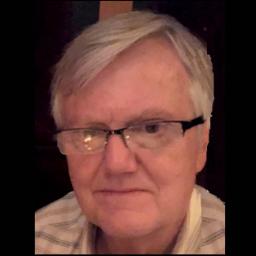
Dr. Kriss Wiant, OH Psychologist
Ohio · 30 years in practice
Dr. Kriss Wiant is a psychologist based in Ohio with three decades of experience helping people facing stress, anxiety, grief, and mood concerns.
License and registration
- Psychologist, Ohio
- P.4840 · expires September 2026
- NPI
- 1922440767 · national provider identifier
- Years in practice
- 30
- Languages
- English
Details are as listed on the therapist's public professional profile. You can check the license with the issuing state board, and the NPI with the national registry.
About Kriss
Dr. Kriss Wiant is a psychologist based in Ohio with three decades of experience helping people facing stress, anxiety, grief, and mood concerns. He holds the credential OH Psychologist P.4840 and uses a mix of practical techniques to address everyday struggles.
He emphasizes a collaborative relationship so clients feel heard and understood from the start. His background includes work in the military and time as a high school teacher, experiences that shaped a down-to-earth approach.
Background and approach
Those years of varied practice gave him a broad view of challenges people bring to therapy. He listens closely to how clients describe their problems and looks for patterns in thinking and behavior that may keep those problems going. In sessions he helps people set clear, attainable goals and then breaks those goals into small steps.
He uses straightforward skills training to tackle communication problems, anger, and difficulties with motivation or self-esteem. Cognitive Behavioral Therapy tools are often used to identify unhelpful thinking and replace it with more balanced thoughts. He also offers client-centered methods that focus on the person’s own experience and mindfulness strategies to build present-moment coping.
Hypnotherapy is part of his approach when it fits a client’s needs and preferences. Throughout, he aims to match technique to the individual rather than apply a single method to everyone. People who prefer calm, steady guidance and practical steps may find his style helpful.
He encourages questions in early meetings so prospective clients can judge the fit. If the working relationship looks promising, he and the client plan gradual steps toward the client’s stated goals.
Focus areas and approaches
Everything Kriss lists on their public professional profile, in their own terms.
- Stress, Anxiety
- Grief
- Self esteem
- Depression
- Relationship issues
- Family conflicts
- Parenting issues
- Anger management
- ADHD
- Avoidant personality
- Communication problems
- Coping with natural or human-caused disaster
- Dependent personality
- Emptiness
- First responder issues
- Forgiveness
- Guilt and shame
- Intellectual disability
- Midlife crisis
- Veteran and Armed Forces Issues
- Mood disorders
- Personality disorders
- Seasonal Affective Disorder (SAD)
- Social anxiety and phobia
- Young adult issues
Approaches Kriss names
Naming an approach is not evidence of training in it. This directory copies what each therapist lists and does not check training records.
Online support
How his approaches translate to online care
Client-Centered Therapy focuses on the client's experience and aims to create a warm, listening space where the person sets the pace and priorities. This approach helps when someone needs to feel heard and to explore personal goals in their own words.Cognitive Behavioral Therapy (CBT) is practical and action-oriented. It involves identifying unhelpful thinking patterns and testing new ways of thinking and behaving to reduce anxiety, manage mood, and improve daily functioning.
Hypnotherapy is used as a complementary tool when appropriate to help people access focused attention and guided imagery for symptom relief or habit change. It is offered alongside other methods rather than as a sole approach.
Finding the right mix of approaches is part of the first sessions. The therapist works collaboratively to match methods to a client's needs, goals, and preferences, and will adjust plans as progress is made.
Online sessions via video, phone, live chat, or text messaging make it easier to fit therapy into busy lives. Video calls allow face-to-face conversation, phone sessions can work when bandwidth is limited, and chat or text options are suited to short check-ins or moments when typing is preferable. These formats help people stay consistent with sessions and access care from different places and schedules.
We will earn a commission if you sign up through our link, at no cost to you. It does not change what you pay or the order of the listings.
Questions people ask
What kinds of problems does he help people with?
He supports people coping with stress, anxiety, depression, grief, self-esteem problems, relationship and family concerns, parenting stress, anger, and ADHD. Additional focuses include communication problems, mood and personality disorders, and issues like seasonal affective disorder and social anxiety.
How would you describe his therapy style?
He works in a collaborative, down-to-earth way that emphasizes steady attention to the client's views. Sessions mix talk, goal-setting, and hands-on skills practice to change habits of thinking and behavior.
What is his professional background?
He brings about 30 years of experience, including time as a military veteran, a high school teacher, and a psychologist in a variety of settings. Those roles inform his practical and broad perspective.
Where is he based and what credential does he hold?
He is located in Ohio and holds the credential OH Psychologist P.4840. Sessions are offered from that location.
Which languages are supported for sessions?
Sessions are offered in English.
What session formats are available online?
He offers video calls, phone sessions, live chat, and text-based messaging so people can choose the format that fits their needs.
How does pricing work?
Cost varies with location and therapist availability and sessions use a subscription model that can be canceled at any time.
How do I begin if I want to work together?
Start by selecting the Start Therapy button, complete a short matching questionnaire, and then schedule sessions according to the therapist's availability.
More therapists in Ohio
See all
Lucinda Rhoads
LPCC
Calm, steady support for life’s hard moments
- Stress, Anxiety
- Trauma and abuse
- Self esteem

Mindy Battles
LISW
Compassionate hypnotherapy and practical strategies
- Stress, Anxiety
- Grief
- Self esteem
Jeffrey Owen
LPCC
Experienced counselor using hypnotherapy and talk therapies
- Stress, Anxiety
- Addictions
- Trauma and abuse

Is this your profile?
Ask us to correct details or take the page down.
Contact us