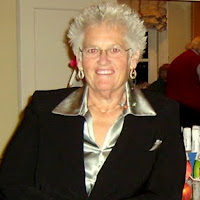
Suzanne Stokes
LMHC
Practical guidance with calming, steady support
- Stress, Anxiety
- Relationship
- Self esteem

38 years in practice
Clinical social work directory
40 therapists in this directory list Licensed Mental Health Counselor (LMHC). Registration details are shown as each therapist lists them; the body's own public register is the place to check a number.
A Licensed Mental Health Counselor (LMHC) is a licensed professional who has completed graduate-level education and supervised clinical experience to provide talk therapy and mental health care. Browse verified LMHC therapists below to review specialties, approaches, languages, and professional credentials.
LMHC
Practical guidance with calming, steady support
LMHC
Compassionate practical therapy focused on change
LMHC
Experienced hypnotherapy and CBT therapist
LMHC
Experienced counselor blending hypnotherapy and talk therapy
LMHC
Calm-focused, practical therapy for everyday struggles
LMHC
Compassionate counselor helping people rewrite their story
LPC, LMHC
Compassionate therapist focusing on practical change
LCMHC, LMHC
Practical strategies for steady emotional growth
LMHC
Therapist blending talk and body-based care
LMHC
Experienced counselor blending practical tools and empathy
LMHC
Calm, practical counseling for life’s hard moments
LMHC
Compassionate hypnotherapy and talk therapy
LPC, LMHC
Careful listener who guides practical change
LMHC
Compassionate therapist focused on practical change
LCPC, LMHC
Calm, practical help for life and relationships
LMHC
Compassionate trauma-informed hypnotherapy and counseling
LMHC, LPC
Calm guidance for stress and life change
LMHC
Compassionate counselor with practical strategies
LMHC
Calm-focused counselor for stress and trauma
LCMHC, LMHC
Experienced counselor focused on practical change
LMHC
Hypnotherapy-informed counselor focused on practical tools
LMHC
Compassionate, goal-focused counseling
LCMHC, LMHC
Compassionate hypnotherapy and practical skills
LMHC
Calm, practical therapy for life’s hard moments
LMHC, LPC
Calm practical help for life and relationships
LMHC
Practical hypnotherapy and talk therapy for change
LMHC
Gentle, goal-focused therapy for life challenges
LPC, LMHC
Collaborative therapist focused on practical change
LMHC
Calm, practical counseling with experiential tools
LMHC, LMFT
Experienced counselor using hypnotherapy and CBT
LMHC
Practical, goal-focused counseling with hypnotherapy
LPCC, LMHC
Collaborative hypnotherapy and talk therapy
LMHC
Practical, bilingual counseling for relationships and trauma
Some links on this page are partner links. We will earn a commission if you sign up through one, at no cost to you. It does not change what you pay or the order of the listings.
If you are looking into therapy options, understanding what the LMHC credential represents can help you make an informed choice. An LMHC is a clinician who has completed a graduate degree in counseling or a closely related mental health field and has met state requirements for supervised clinical practice. Licensing is issued by state boards and reflects that the clinician has met specific educational and practice benchmarks required by that jurisdiction. While the exact path and requirements vary by state, the LMHC designation indicates a focus on mental health assessment, psychotherapy, and treatment planning for individuals, couples, families, or groups.
Many people who pursue the LMHC credential complete a master’s degree that emphasizes clinical skills, lifespan development, and therapeutic theory. After graduation, candidates typically complete a period of supervised clinical hours under the oversight of a licensed professional. During this period you can expect that clinicians refine diagnostic skills, learn ethical practice, and gain experience working with different populations and presenting concerns. A licensing exam or state review process commonly follows the supervised practice requirement. This combination of graduate education, supervised hours, and a licensing step is what distinguishes LMHCs from professionals who have not pursued licensure.
When you compare license types, it helps to focus on scope of practice rather than titles alone. LMHCs are primarily trained to assess, diagnose, and provide psychotherapy for mental health concerns. They typically offer individual talk therapy, couples counseling, family therapy, and group work depending on their training and the permissions of their state license. Unlike medical providers, LMHCs do not prescribe medication. If medication is being considered, you may work with an LMHC alongside a physician or psychiatrist who can manage pharmacological treatment.
Other mental health professions follow different educational and regulatory paths. Psychologists often hold doctoral degrees and may conduct psychological testing and research in addition to therapy. Licensed clinical social workers may have a different graduate curriculum with a strong emphasis on social systems, case management, and community resources. Each profession brings distinct perspectives and tools to care. Your choice may come down to the balance of therapeutic orientation, the kind of support you want, and the professional experiences listed in therapist profiles rather than the license alone.
LMHCs work with a wide range of concerns across the lifespan. You will commonly find clinicians who focus on mood disorders such as depression and anxiety, relationship and family concerns, trauma response, grief and loss, life transitions, stress management, and behavioral health issues that affect daily functioning. Some LMHCs focus on particular age groups like adolescents, adults, or older adults, while others specialize in working with couples or families.
Therapists may list a variety of therapeutic approaches among their methods. You might see cognitive-behavioral approaches, psychodynamic perspectives, humanistic frameworks, or interventions such as mindfulness-based techniques noted in profiles. Some clinicians list approaches like EMDR among their approaches; such listings indicate that a practitioner identifies that method among the ways they work, but they do not replace questions you might ask directly about how a method is applied in sessions. Considering the match between your presenting issue and a therapist’s stated focus and approaches can help you find someone whose work aligns with your goals.
When you want to confirm that a clinician holds an active LMHC license, there are straightforward steps you can take. Most states maintain an online license lookup or verification tool through the state licensing board for mental health professionals. Using that resource you can enter a clinician’s name or license number to verify licensure status, the date of issuance, and whether there are any disciplinary actions on record. These public records are the most direct way to confirm that the credential listed in a profile reflects current standing with the state.
In addition to the licensing board, a therapist’s professional profile often lists educational institutions, graduation dates, and state license numbers. These details can make it easier to cross-check information. If a record indicates expiration or restriction, or if you have questions about scope of practice in a particular state, you can contact the licensing board for clarification. Verifying a license helps you understand a clinician’s formal qualifications and the regulatory standards they are held to by their state.
Choosing an LMHC therapist can bring the benefit of working with a clinician whose education and supervised practice are focused on psychotherapy. Many people appreciate that LMHCs concentrate on therapeutic techniques and treatment planning tailored to emotional and behavioral concerns. Because licensing requires adherence to professional standards and continuing education, LMHCs are generally expected to keep current with developments in practice as defined by their state board. How that plays out in your experience depends on the clinician’s individual focus, interests, and ongoing learning.
To find an LMHC who fits your needs, start by clarifying what you want from therapy. Think about the presenting concern, whether you prefer a specific therapeutic approach, and practical aspects such as languages spoken or whether you want in-person or telehealth sessions. Review therapist profiles for stated specialties, populations served, and professional background. Reach out to ask about how they typically structure sessions, what a first few visits might address, and how they measure progress with clients. Asking about experience with your specific concern and what a typical course of work looks like can help you imagine how therapy might unfold.
Another practical consideration is understanding costs, insurance interactions, and session length. Many therapist profiles include information about fees, payment methods, and whether a clinician lists particular insurances among those they accept. If insurance is part of your plan, verifying coverage and provider participation can prevent surprises later. If cultural match or language is important to you, prioritize clinicians who list those skills. Finally, trust your sense of rapport. It is appropriate to try an initial session or two and reflect on whether you feel understood and whether the clinician’s approach resonates with you. Finding the right therapist is as much about professional fit as it is about the interpersonal connection you build.
When you’re exploring LMHC profiles, keep your goals front and center. Use public licensing resources to verify credentials, read profiles for stated specialties and approaches, and prepare questions that address how a clinician works with concerns like yours. Because LMHCs focus on psychotherapy and assessment, they are a common choice for people seeking structured talk therapy, longer-term therapeutic relationships, or targeted interventions for mood, anxiety, relationship, or adjustment concerns. Thoughtful review of profiles and a short conversation with a clinician will help you determine whether an LMHC is the right fit for the kind of support you are seeking.
Above all, choosing a therapist is a personal decision. The LMHC credential signals a particular path of education and regulated practice. By pairing that information with attention to specialties, approaches that suit you, and clear verification through state resources, you can move forward with confidence in selecting a clinician who aligns with your needs and goals.