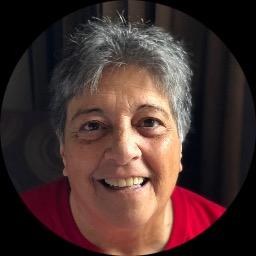
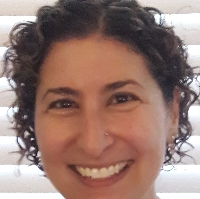
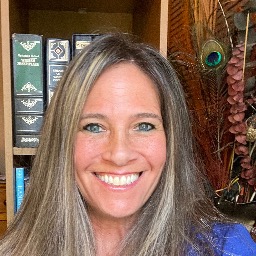
Eileen Cauley
LCSW-C, LCSW
Experienced LCSW helping practical change
- Stress, Anxiety
- Trauma and abuse
- Grief

44 years in practice
Clinical social work directory
94 therapists in this directory list Licensed Clinical Social Worker (LCSW). Registration details are shown as each therapist lists them; the body's own public register is the place to check a number.
A Licensed Clinical Social Worker (LCSW) is a master's-level clinician who provides psychotherapy, assessment, and care coordination across a range of life and mental health concerns. Browse verified LCSW therapists below to compare specialties, approaches, languages, and experience.
LCSW-C, LCSW
Experienced LCSW helping practical change
LCSW
Compassionate, practical help for tough times
LCSW
Compassionate hypnotherapy and holistic counseling
LCSW
Compassionate, experienced guidance for change
LCSW
Practical, goal-focused therapy with hypnosis options
LCSW
Experienced LCSW blending practical therapy approaches
LCSW, CSW
Experienced LCSW focused on practical change
LCSW
Therapist focused on practical change
LCSW
Compassionate, practical support for adults
LCSW
Compassionate therapist blending hypnotherapy and practical tools
LCSW
Compassionate, practical help for life’s challenges
LCSW
Compassionate care for complex emotional challenges
LICSW, LCSW, CSW
Insightful hypnotherapy and practical support
LCSW
Warm, practical therapy with hypnotherapy options
LCSW
Calm, practical care for trauma and mood challenges
LCSW
Compassionate guidance for life’s harder moments
LCSW
Transformational, bilingual therapist and coach
LCSW
Steady, practical support for lasting change
LCSW, LMSW
Compassionate clinician for relationship and life concerns
LCSW
Calm, practical support for stress and confidence
LCSW
Experienced LCSW blending hypnotherapy and practical tools
LCSW
Practical, strength-focused therapy with hypnotherapy options
LCSW
Experienced LCSW focusing on life change
LCSW
Experienced LCSW blending hypnotherapy and practical tools
LCSW
Calm, practical therapy with flexible approaches
LCSW
Experienced LCSW focusing on practical change
LCSW
Compassionate mind-body therapy for practical change
LCSW
Practical, empathetic therapy focused on clear steps forward
LCSW
Experienced LCSW blending hypnotherapy and talk therapy
LCSW, CSW
Practical therapy that respects belief and history
LCSW
Calm, practical therapy with a flexible approach
LCSW, LCSW-R
Compassionate, experienced clinical social worker
LCSW
Compassionate practical care using hypnotherapy
LCSW
Calm, goal-focused psychotherapy and coaching
LCSW
Compassionate, experienced New York LCSW
LCSW
Practical support for stress and relationships
LCSW
Practical, person-focused therapy with hypnotherapy elements
LICSW, LCSW
Experienced clinician using hypnotherapy and talk therapy
LICSW, LCSW
Warm client-centered therapist with hypnotherapy tools
Some links on this page are partner links. We will earn a commission if you sign up through one, at no cost to you. It does not change what you pay or the order of the listings.
When you see the LCSW credential next to a therapist's name, it means that person has met a combination of academic, supervised practice, and licensing exam requirements established by state boards. Most LCSWs complete a Master of Social Work degree, which includes coursework in clinical practice, human behavior, ethics, and social systems, along with field placements that provide hands-on experience. After graduate training, clinicians generally complete a period of supervised post-degree clinical hours under oversight that a state board requires before they can apply for the clinical license. The final step is successful performance on the state-recognized clinical licensing exam. Exact educational and hour requirements vary by state, so the pathway looks slightly different depending on where a clinician is licensed.
Because licensure is handled at the state level, the LCSW title signals that a clinician met your state's standards for clinical social work practice. This provides a clear credential you can look for when you want someone with formal training in psychotherapy, assessment, and systems-based approaches to care. Understanding these baseline qualifications helps you frame what to ask about when reviewing profiles or having an introductory conversation.
As you explore therapist profiles, you will notice different license types and scopes of practice. LCSWs are trained to provide clinical assessment and psychotherapy, and they often focus on the intersection of individual experience with family, community, and institutional systems. That systems perspective means LCSWs frequently address social factors that affect mental health, such as housing, employment, family dynamics, and access to community resources. In practice, many LCSWs engage in psychotherapy across the lifespan, offer case management, and coordinate care among multiple providers and services.
It helps to know how this compares to other clinician types. Psychiatrists are medical doctors who can prescribe medications and often integrate medication management with psychotherapy referrals. Clinical psychologists typically hold doctoral degrees and may emphasize psychological testing and assessment in addition to therapy. Licensed professional counselors and marriage and family therapists may focus more narrowly on therapy modalities and relational dynamics depending on their training. Each license brings a different educational and practice emphasis, so when you choose a clinician you are aligning with a particular approach to care and scope of services.
When looking for a clinician, you will find LCSWs working in many areas across mental health and social services. Many list specialties such as anxiety, depression, trauma, grief, family and relationship challenges, child and adolescent concerns, addiction recovery, and life transitions. Because social work training includes attention to systems, you will also find LCSWs in settings that require coordination of services, including schools, hospitals, community clinics, and agencies that serve specific populations like older adults or veterans.
Approaches vary from clinician to clinician, and profiles often indicate the therapeutic methods they use. For example, you may find therapists who list cognitive behavioral therapy, trauma-informed care, family systems, EMDR among their approaches, or mindfulness-based strategies. These descriptions reflect what a clinician focuses on in practice, and they can help you assess whether their orientation aligns with the kind of support you want. You may also see language offerings and cultural or population expertise listed, which can be important when you want care that matches your cultural context or speaks your preferred language.
Verifying a license is a practical step you can take to confirm that a clinician holds the credentials they list. The most direct method is to use your state's licensing board website, which typically provides a public license lookup where you can search by name or license number to confirm current status and any public disciplinary actions. Many state boards publish the license issue date, renewal history, and whether continuing education requirements have been met. If you prefer, you can contact the licensing board by phone to ask about a clinician's standing and the scope of their license.
Beyond the state board, you can review the clinician's professional profile on the directory page for identifying information such as the exact license designation, education, and the state of licensure. When you speak with a clinician, you can ask them to confirm their license number and the state that issued it. These steps help you verify that someone holds an active LCSW license and that their credentials align with the services they describe.
Choosing a clinician with an LCSW credential can offer several practical benefits depending on your needs. LCSWs typically bring a holistic perspective that considers not only symptoms but also the broader life context - family, work, housing, and community - and how those systems interact with mental health. That perspective can be particularly helpful when you are navigating complex life situations that touch multiple domains of functioning. Many LCSWs also have experience working with care coordination and connecting people to community resources, which can make a difference if you need referrals to social supports or additional services.
If you are seeking therapy that incorporates advocacy or systems-level thinking, an LCSW's background may be a strong match. You may also appreciate the flexibility many LCSWs display in working across individual, family, and group formats. The specific benefits you experience will depend on the clinician's focus and approach, which is why taking time to read profiles and consider how a clinician describes their practice can help you find the right fit.
When you begin your search, start by clarifying what matters most to you - the issue you want to address, the populations and life stages you want experience with, language needs, and any particular approach you prefer. Read therapist profiles to see which clinicians list those areas and which approaches they emphasize. Because profiles typically note specialties, languages, and the kinds of clients a clinician sees, this information can help you narrow your options before making a connection.
During your initial outreach or consultation, focus on questions that reveal fit rather than attempting to evaluate specific training in modalities. Ask about the clinician's experience working with concerns like yours, how they typically structure sessions, and how they approach collaboration with other providers. It is reasonable to ask about logistics such as session format, fees, and insurance policies, and to request a brief conversation to get a sense of personal rapport. Trust your instincts about rapport and whether the clinician's communication style and values align with what you need. If you do not feel the match is right, it is appropriate to continue your search until you find someone who feels like the right fit for your goals.
Choosing a therapist is a personal process, and an LCSW credential can be a meaningful indicator of a clinician's training and orientation. By verifying credentials, reading profiles carefully, and focusing your questions on fit and approach, you can make an informed decision about which LCSW therapist to reach out to for support.