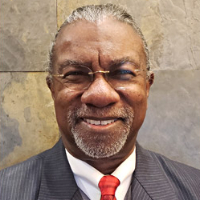
Tatyana Sibthorpe
BACP
Compassionate hypnotherapy and talking therapy support
- Addictions
- Relationship
- Trauma and abuse

16 years in practice
Clinical social work directory
274 therapists list body image among the things they work with. All offer sessions online, and every profile shows the registering body, the membership number and when it runs to.
This directory features hypnotherapists and other clinicians who list body image as a specialty. Browse profiles below to learn about different approaches, languages spoken and areas of focus.
Use the listings to explore practitioners whose descriptions and methods feel like a fit for the kind of support you want.
BACP
Compassionate hypnotherapy and talking therapy support
NCPS
Hypnotherapy-informed counsellor focused on practical change
NCPS
Compassionate hypnotherapy and integrative counselling
LMHC
Practical guidance with calming, steady support
HCPC, BACP
Calm, practical support for life’s harder moments
NCPS
Practical, strength-based support with hypnotherapy
BACP
Hypnotherapy-informed counsellor with extensive experience
LPC
Compassionate therapist who blends hypnotherapy and evidence-based care
BACP
Expert counsellor using mindfulness and hypnotherapy
NCPS
Practical, approachable counselling with hypnotherapy
NCPS
Flexible hypnotherapy-informed psychotherapeutic counselling
NCPS
Hypnotherapy and conversational counselling for change
NCPS
Compassionate counsellor for stress and life change
NCPS
Therapist offering hypnotherapy and talking therapies
BACP
Gentle, experienced counsellor for life changes
NCPS
Calm, practical support for stress and relationships
LMFT, LCMFT
Compassionate, direct therapy for relationship patterns
NCPS
Calm, practical therapy for everyday overwhelm
BACP
Calm, practical support for stress and life change
BACP
Gentle, person-centred support with hypnotherapy
LCSW
Compassionate, practical help for tough times
NCPS
Experienced counsellor focused on practical change
BACP, NCPS
Experienced counsellor using hypnotherapy and CBT
AASW
Experienced counsellor using hypnotherapy and evidence-based care
NCPS
Practical counselling with a warm, adaptable approach
BACP
Experienced psychotherapist and coach
LPC
Compassionate counselor focused on meaningful change
NCPS
Person-focused hypnotherapy and mindfulness support
BACP
Calm, practical support for difficult moments
BACP
Calm, practical counselling with multiple approaches
NCPS
Calm practical support for life’s hard moments
Some links on this page are partner links. We will earn a commission if you sign up through one, at no cost to you. It does not change what you pay or the order of the listings.
Body image is the set of thoughts, feelings and beliefs you hold about your physical appearance. It is shaped by cultural messages, relationships, life events and your own internal dialogue. For some people body image concerns are occasional - a passing dissatisfaction after comparing yourself to an image in media. For others these concerns are recurring and can affect mood, how you relate to food and movement, sexual expression, or how much energy you bring to work and relationships.
You do not have to be struggling with a diagnosable condition to seek support for body image. Many people pursue therapy to shift harsh self-judgments, to build a more compassionate inner voice, or to untangle the history behind negative beliefs about their bodies. Because body image involves thoughts, emotions and behavior it often intersects with anxiety, depression, disordered eating patterns, identity questions and experiences of trauma. Therapy can offer a space to explore those connections and to develop new, practical strategies for everyday situations where body concerns arise.
If your thoughts about your body are frequent enough to influence choices you make, you may find therapy helpful. You might notice that you avoid activities because of how you expect you will look, or that you spend a lot of time checking mirrors or comparing yourself to others. There may be patterns around food and exercise that feel driven by fear, guilt or punishment rather than by care. In relationships, body image concerns can change how you show up, making intimacy or social situations feel risky.
Other signs include persistent negative self-talk, steady avoidance of photographs or certain clothing, or a fixation on perceived flaws that others do not notice. You might find that these concerns sap your energy or limit opportunities you would otherwise enjoy. If body image worries are linked to past experiences - such as bullying, harassment, or medical procedures - therapy can help you process those events in a way that reduces their ongoing impact. Reaching out to a clinician can be a step toward greater comfort in your day-to-day life and more freedom in how you move through the world.
When you begin working with a clinician on body image, the first sessions typically focus on understanding your history and what you hope to change. You can expect conversations about when negative body beliefs began, how they show up today, and what coping strategies you currently use. Goals are often practical and individualized - you may aim to reduce mirror checking, to feel more at ease in social settings, or to change the tone of your inner dialogue.
Therapists who list cognitive behavioral therapy (CBT) among their approaches often work with you to identify unhelpful thoughts and to test them with new behaviors. Those who list acceptance and commitment therapy - ACT - may focus on values and on building psychological flexibility so you can act in ways that matter to you despite uncomfortable feelings. Mindfulness-based methods teach present-moment awareness that can reduce reactivity to body-focused thoughts. Some practitioners list psychodynamic or relational methods that explore the early relationships and experiences that shaped your self-image.
Because this directory includes clinicians who list hypnotherapy among their approaches, you may come across profiles describing hypnotic techniques aimed at shifting automatic reactions or strengthening suggestions for self-compassion. Other clinicians list somatic or body-centered methods that attend to sensations and the nervous system. Wherever you land, the language of the listing will clarify which approaches a clinician emphasizes. It is common for therapists to combine methods in a way that fits your preferences and goals.
Online therapy makes it possible to work on body image from home or from another comfortable setting. Sessions typically happen by video or sometimes by phone or text-based messaging, depending on what a clinician lists as their format. You should expect a structured rhythm of sessions and opportunities for practice between meetings, such as exercises designed to change habits of thought or behavior. Many people find online work convenient because it removes travel time and allows you to meet with clinicians who are not geographically nearby.
In an online setting you may use screen sharing for worksheets, guided exercises, or visual tools. If a clinician lists body-centered or movement-based approaches, they can generally adapt exercises so you can participate safely at a distance. Consider your own environment when choosing online therapy - a quiet, comfortable environment helps you focus and to engage fully with the therapeutic work. Privacy considerations matter when you are speaking about sensitive topics, so plan for a place where interruptions will be minimal. Online therapy also broadens the range of clinicians you can explore, including those who list specialized approaches such as hypnotherapy or somatic work.
Finding a therapist who feels like a good match often starts with how they describe their focus and approach. Read profiles to see which clinicians explicitly mention body image, related concerns, or the populations they serve. Pay attention to the approaches they list - if you are curious about CBT, hypnotherapy, mindfulness, or body-centered work, look for therapists who list those methods among their approaches. Also note languages spoken and any statements about cultural competence or experience with specific identity issues if those factors matter to you.
Think about practical preferences as well - whether you want a clinician who leans toward structured skill-building or one who emphasizes exploratory, relational work. Consider whether you prefer a clinician who references tangible exercises and between-session practices, or one who focuses on narrative and emotional processing. When you contact a clinician, it can be helpful to ask about their general approach to body image concerns and what a typical session might involve. Trust your sense of rapport - the therapeutic relationship itself is a major factor in how helpful the work will feel. Give yourself permission to look at several profiles until you find someone whose description and tone resonate with your needs and values.
Therapy for body image is a personal process that moves at your pace. Whether you are seeking short-term coaching-style work or longer exploration of deep-rooted beliefs, there are clinicians who describe the kinds of approaches you might prefer. Use the listings to learn about different methods, read how practitioners present their work, and select profiles that match the practical and emotional qualities you want in a clinician.