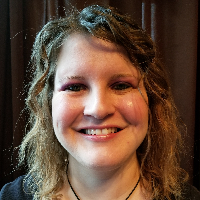
Tatyana Sibthorpe
BACP
Compassionate hypnotherapy and talking therapy support
- Addictions
- Relationship
- Trauma and abuse

16 years in practice
Clinical social work directory
91 therapists list gender dysphoria among the things they work with. All offer sessions online, and every profile shows the registering body, the membership number and when it runs to.
This directory lists therapists who work with gender dysphoria, including clinicians who provide in-person and online services. Browse the listings below to compare focus areas, therapeutic approaches, credentials and languages to find professionals who may suit your needs.
BACP
Compassionate hypnotherapy and talking therapy support
HCPC
Gentle practical therapy with hypnotherapy options
NCPS
Practical, strength-based support with hypnotherapy
LPCC, LPC
Collaborative counselor blending practical therapies
BACP
Expert counsellor using mindfulness and hypnotherapy
NCPS
Hypnotherapy and conversational counselling for change
NCPS
Calm, practical support for stress and relationships
LMFT, LCMFT
Compassionate, direct therapy for relationship patterns
NCPS
Calm, practical therapy for everyday overwhelm
ACA
Practical, respectful counselling with hypnotherapy options
LCSW
Compassionate, practical help for tough times
BACP
Calm, practical counselling with multiple approaches
LMHC
Experienced counselor blending hypnotherapy and talk therapy
BACP, NCPS
Calm, practical therapy for life’s hard moments
BACP
Insightful counsellor blending hypnotherapy and therapy
ACA
Calm, practical counselling for everyday life
NCPS
Compassionate counsellor using hypnotherapy and talking therapies
LPC
Calm, practical therapy for real-life problems
LMHC
Compassionate counselor helping people rewrite their story
LCSW
Compassionate therapist blending hypnotherapy and practical tools
NCPS
Calm-focused hypnotherapy and talk therapy
BACP
Experienced counsellor focusing on relationships and healing
LCSW
Compassionate care for complex emotional challenges
NCPS
Compassionate, practical help for anxiety and relationships
NCPS
Experienced counsellor offering hypnotherapy and CBT
LCSW
Steady, practical support for lasting change
LCSW, LMSW
Compassionate clinician for relationship and life concerns
LCMFT, LMFT
Compassionate therapist focusing on relationships and healing
LCSW
Experienced LCSW blending hypnotherapy and practical tools
LCPC, LCMHC
Compassionate counselor with decades of experience
NCPS
Experienced counsellor blending talking therapies
LCSW
Practical, strength-focused therapy with hypnotherapy options
BACP
Calm, practical support for life’s difficulties
BACP
Gentle support for grief and life change
LMHC
Compassionate trauma-informed hypnotherapy and counseling
LPCC
Experienced counselor using hypnotherapy and talk therapies
LCPC
Practical hypnotherapy and goal-focused counseling
BACP
Hypnotherapy integrated with talking therapies
BACP
Experienced counsellor offering flexible therapy options
BACP
Calm, practical therapy with hypnotherapy
LCSW
Calm, practical therapy with a flexible approach
BACP
Support for addiction and trauma recovery
Some links on this page are partner links. We will earn a commission if you sign up through one, at no cost to you. It does not change what you pay or the order of the listings.
Gender dysphoria is a term many people use to describe the distress or discomfort that can arise when your internal sense of gender does not align with the sex you were assigned at birth. For some people this may be a persistent, deeply felt sense that interferes with daily life, while for others it may appear during particular moments such as at puberty, during certain social situations or when thinking about long-term relationship and family planning. Your experience of gender and related feelings is personal - they can involve your body, your social role, your name and pronouns, and how you are perceived by others.
How gender-related incongruence affects you will depend on many factors, including your social context, cultural background, family and community attitudes, and whether you have access to supportive resources. Some people find relief when they can express their gender in ways that feel authentic, while others navigate complex emotions about physical changes, medical options, legal matters or safety in public spaces. Therapy can help you explore these areas, clarify goals, and develop strategies to cope with stress, dysphoria and external pressures.
You might consider seeking therapy if you notice persistent discomfort related to your gender identity that affects your mood, relationships, work or daily functioning. You may feel anxious, depressed, overwhelmed or disconnected from your body. You might find that social situations or gendered expectations trigger distress, or that you avoid activities, environments or relationships because you fear being misunderstood or misgendered. Sometimes the signs are physical - trouble sleeping, changes in appetite, or somatic tension - and sometimes they show up as emotional patterns such as chronic low self-esteem or difficulty expressing your identity.
Therapy can also be helpful if you are thinking about social or medical transition and want a supportive space to process options and potential impacts. You may seek help to navigate conversations with family, employers, or schools, or to address internalized stigma and safety planning. If you want to build skills for self-advocacy, manage setbacks, or find peer and community resources, a therapist who lists experience with gender-diverse clients among their approaches can offer one-to-one support while you weigh your next steps.
When you start therapy for gender-related concerns, the first few sessions are often about orientation. Your therapist will usually ask about your current challenges, personal and medical history as you choose to share it, and your goals for therapy. You can expect a collaborative conversation in which you and the therapist explore what matters most to you - whether that is reducing distress, learning to manage dysphoria, preparing for social changes, or coordinating with medical providers. Therapy may be short-term and goal-focused, or it may be a longer process of identity exploration and resilience-building depending on what you prefer.
Sessions often combine emotional support with practical planning. You may work on skills for emotion regulation, coping with dysphoric moments, communicating with loved ones, or addressing trauma and minority stress. Therapists commonly use talk-based methods and reflective exercises; some may incorporate body-centered practices, mindfulness, or guided imagery if those approaches are offered. If you are considering medical steps such as hormone therapy or surgery, a therapist can help you clarify your values and expectations and may collaborate with medical teams when appropriate. Conversations about legal name changes, documentation, and workplace accommodations can also be part of the work.
A range of therapeutic approaches is used with people experiencing gender dysphoria, and therapists vary in the methods they list. Some therapists who list cognitive behavioral therapy among their approaches focus on identifying unhelpful thought patterns and building coping strategies to reduce distress. Others who list acceptance and commitment therapy emphasize values-based action and learning to live alongside uncomfortable feelings rather than eliminating them. Narrative therapy can help you reframe personal stories about gender, while interpersonal approaches may focus on relationships and communication skills.
In addition, some clinicians on this directory list modalities such as hypnotherapy, somatic approaches, family therapy or group work among their offered methods. When you review listings, notice how therapists describe their approach - some may emphasize exploration and identity development, while others highlight skills, symptom management or support for social and medical transitions. It is common for therapists to blend approaches to match your needs, and you can ask about how listed methods are typically used in sessions.
Online therapy provides flexible ways to connect with a clinician from your chosen setting. Sessions typically take place by video or phone, and many people find that meeting from home or another comfortable location helps them talk more openly about sensitive topics. Before you begin, consider logistics such as time zones, fees, payment methods and the therapist's professional credentials and licensure. You will want to choose a quiet space for sessions where you feel safe to speak freely and to use headphones if you prefer added discretion.
Online work can make it easier to access therapists who specialize in gender-related care but live in different regions, including clinicians who list experience with trans and nonbinary clients among their focus areas. Remote therapy also allows you to incorporate digital tools that therapists may offer, such as worksheets, recorded mindfulness practices, or text-based messaging for scheduling and brief check-ins. Some people appreciate the continuity online therapy offers when they travel or move; others prefer a blend of in-person and virtual sessions based on personal preference and local laws concerning practice across state or national lines.
Start by clarifying what you want from therapy. Are you looking for emotional processing, support with transition-related decisions, help navigating relationships, or assistance coping with dysphoria day to day? Use that clarity to review therapist listings, focusing on descriptions of focus areas, approaches, languages spoken and stated experience with gender-diverse clients. Pay attention to how therapists talk about gender - inclusive language, respect for your terminology, and an anti-oppressive lens can be signs that a clinician may align with your values.
You may want to ask potential therapists about their experience working with people who have backgrounds similar to yours in terms of age, race, culture, religion or disability. If collaboration with medical providers is important to you, look for therapists who mention coordinating care or working with multidisciplinary teams. Note whether a therapist lists approaches you prefer, and remember that listed methods indicate what they use, not a guarantee of specific credentials. Finally, trust your instincts about rapport - feeling heard, understood and respected is central to effective work, so prioritize a clinician whose communication style and perspective make you feel comfortable moving forward.
Finding a therapist is a personal process and it may take time to find the right fit. Using the directory to compare focus areas, approaches and credentials can help you narrow options so you can make an informed choice about who to contact. Whether you pursue a few sessions to address immediate needs or embark on longer-term work, therapy can be a space to explore identity, manage dysphoria and build a plan that reflects your goals and values.