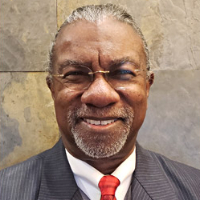
Chris Sergeant
BACP
Practical counselling with hypnotherapy options
- Stress, Anxiety
- Relationship
- Family

13 years in practice
Clinical social work directory
194 therapists list multicultural concerns among the things they work with. All offer sessions online, and every profile shows the registering body, the membership number and when it runs to.
This page lists hypnotherapists who include multicultural concerns among their specialties, with details on languages, focus areas, and therapeutic approaches. Use the listings below to explore profiles and descriptions that may relate to cultural identity, migration, and cross-cultural stress.
BACP
Practical counselling with hypnotherapy options
BACP
Compassionate hypnotherapy and talking therapy support
LMHC
Practical guidance with calming, steady support
NCPS
Restoring clarity and stronger personal boundaries
HCPC
Gentle practical therapy with hypnotherapy options
NCPS
Practical, strength-based support with hypnotherapy
BACP
Hypnotherapy-informed counsellor with extensive experience
LPC
Compassionate therapist who blends hypnotherapy and evidence-based care
LPCC, LPC
Collaborative counselor blending practical therapies
BACP
Expert counsellor using mindfulness and hypnotherapy
NCPS
Hypnotherapy and conversational counselling for change
NCPS
Compassionate counsellor for stress and life change
NCPS
Therapist offering hypnotherapy and talking therapies
NCPS
Calm, practical support for stress and relationships
LMFT, LCMFT
Compassionate, direct therapy for relationship patterns
NCPS
Calm, practical therapy for everyday overwhelm
ACA
Practical, respectful counselling with hypnotherapy options
BACP
Gentle, person-centred support with hypnotherapy
LCSW
Compassionate, practical help for tough times
NCPS
Experienced counsellor focused on practical change
WI Psychologist
Experienced psychologist using practical approaches
BACP, NCPS
Experienced counsellor using hypnotherapy and CBT
AASW
Experienced counsellor using hypnotherapy and evidence-based care
BACP
Practical hypnotherapy-informed counselling
LPC
Compassionate counselor focused on meaningful change
NCPS
Calm, practical counselling with clear tools
BACP
Calm, practical support for difficult moments
BACP
Calm, practical counselling with multiple approaches
LMHC
Experienced counselor blending hypnotherapy and talk therapy
BACP, NCPS
Calm, practical therapy for life’s hard moments
NCPS
Hypnotherapy and talking therapies for anxiety
BACP
Experienced psychotherapeutic counsellor focusing on practical support
NCPS
Gentle, pluralistic counsellor for adult concerns
ACA
Calm guidance to help you move forward
BACP
Insightful counsellor blending hypnotherapy and therapy
Some links on this page are partner links. We will earn a commission if you sign up through one, at no cost to you. It does not change what you pay or the order of the listings.
Multicultural concerns cover the ways culture, ethnicity, race, immigration, religion, gender identity, sexual orientation, and language intersect with mental and emotional health. You might experience tension between values from different cultural backgrounds, feel misunderstood by mainstream services, or struggle with identity questions that arise when navigating multiple cultural worlds. These challenges can affect relationships, work, family dynamics, and your sense of belonging. Sometimes the strain is seen in recurring anxiety about fitting in, repeated conflicts about expectations, or a persistent sense of being misunderstood. Other times it shows up as grief for a loss of familiar cultural routines, or as frustration when cultural norms around emotion or communication clash with other environments.
People from mixed heritage families often face unique decisions about identity and allegiance. First-generation immigrants may carry the weight of adapting while preserving traditions, and later generations may feel pressure to reconcile differing cultural messages. You may also confront external stressors such as discrimination, microaggressions, or institutional barriers that compound internal struggles. Understanding these dynamics helps frame why a culturally informed approach in therapy can be helpful - it creates space to explore identity and adaptation without assuming a single cultural norm applies to everyone.
You might consider seeking support when cultural stress affects daily functioning, relationships, or your emotional well-being. Signs include persistent feelings of isolation despite being surrounded by people, recurring conflict with family over cultural expectations, or difficulty making choices because of competing cultural loyalties. You may find yourself minimizing parts of your identity to fit in, or feeling guilt about not meeting familial or community expectations. Other indications include a growing sense of cultural grief or loss after migration, repeated employment or academic misunderstandings tied to cultural differences, or heightened anxiety following experiences of bias.
Therapy can also be valuable when you want a reflective space to examine identity milestones - such as coming out, marrying outside of your cultural group, or choosing a career path that departs from family norms. If you are striving to parent across cultures, negotiate intergenerational differences, or process trauma that occurred in a cultural context, supportive psychotherapy offers a place to examine these patterns. The presence of cultural themes does not mean you need therapy forever; it means there are meaningful areas to explore with a clinician who recognizes how culture shapes emotions, decisions, and relationships.
When you begin therapy that addresses multicultural concerns, the initial sessions often focus on building an understanding of your cultural background, values, and the specific stressors you face. You can expect the therapist to ask about family history, migration stories, language preferences, religious or spiritual practices, and experiences with stigma or discrimination. Therapy tends to be collaborative - you and the clinician will map out what cultural themes are most important to address and set goals that respect your cultural context.
Sessions often involve exploring narratives about identity and belonging, identifying patterns that come from cultural conditioning, and practicing ways to navigate cross-cultural interactions. You may work on communication strategies that honor both personal needs and cultural expectations, or on grief processing related to cultural loss. Because culture influences how people express distress, therapists will pay attention to nonverbal cues, storytelling styles, and culturally shaped ways of coping. Over time, therapy can help you develop a clearer sense of self within multiple cultural frames and new approaches to manage stressors that arise from cultural conflict.
A key part of multicultural work is a therapeutic relationship grounded in cultural humility. You should feel that the clinician is willing to learn from your experience, ask respectful questions, and acknowledge when they do not share your background. This process helps create a space where cultural differences are explored rather than dismissed. It is normal for the initial phase of therapy to include exploration and mutual learning as you and the therapist find common language for the issues you bring.
Therapists address multicultural concerns using a range of approaches, often adapting methods to fit cultural contexts and individual needs. You may find clinicians who list narrative therapy among their approaches, which emphasizes the stories you tell about yourself and how they are shaped by cultural contexts. Others may list cognitive-behavioral approaches that help you identify thought patterns influenced by cultural messages and develop practical strategies for interpersonal situations. Some therapists include trauma-informed perspectives, which focus on safety, regulation, and processing past harms that may intersect with cultural experiences such as discrimination or migration-related trauma.
Mindfulness-based strategies and somatic methods are sometimes listed as part of the approach to help you reconnect with bodily sensations and regulate stress that has cultural roots. Group therapy formats can offer community and shared cultural reflection, especially when groups are organized around language or cultural background. You will also encounter clinicians who list multicultural counseling frameworks or culturally adapted models that explicitly center cultural identity, acculturation, and intergenerational dynamics. When you review profiles, note how therapists describe their approach to culture - many will state that they integrate cultural context into assessment, treatment planning, and goals rather than applying a single protocol to everyone.
Online therapy makes it possible to connect with clinicians who describe experience or focus in multicultural concerns even if they are not in your immediate area. When you choose to work online, you can prioritize language compatibility, cultural background, or familiarity with specific cultural communities. Sessions typically occur via video, phone, or messaging formats, allowing for flexibility while maintaining continuity of care. You should consider practical matters such as platform features, technology needs, and whether you prefer face-to-face video interaction or a less visual format for discussing sensitive cultural topics.
When selecting a therapist for multicultural concerns, look for language in profiles that shows attention to cultural identity, migration, or cross-cultural dynamics. Pay attention to how therapists describe their approach to culture - do they mention cultural humility, intergenerational issues, or experience working with communities similar to yours? Consider whether you want a clinician who speaks a particular language, shares elements of your cultural background, or has experience addressing the specific challenges you face. It can be helpful to read session descriptions and therapist statements to understand how they frame cultural work, and to notice whether they describe collaborative goal setting and respect for your values.
Trust your sense of fit. Cultural work often requires vulnerability and ongoing conversation, so feeling that a therapist listens, asks curious questions about your background, and adapts to your needs matters more than any single label. If you decide to reach out, you can use initial communications to ask about their experience with cultural themes, how they integrate cultural context into therapy, and what kinds of approaches they typically mention in their profiles. That exchange can give you a sense of whether the clinician's style aligns with your priorities for cultural understanding and emotional support.