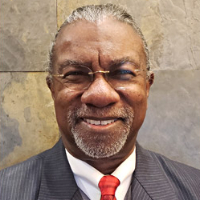
Tatyana Sibthorpe
BACP
Compassionate hypnotherapy and talking therapy support
- Addictions
- Relationship
- Trauma and abuse

16 years in practice
Clinical social work directory
163 therapists list prejudice and discrimination among the things they work with. All offer sessions online, and every profile shows the registering body, the membership number and when it runs to.
This page highlights therapists who list prejudice and discrimination as a focus, including impacts on identity, trauma, and workplace experiences. Browse the listings below to review approaches, languages, and professional backgrounds to help you decide who may be a good fit.
BACP
Compassionate hypnotherapy and talking therapy support
NCPS
Hypnotherapy-informed counsellor focused on practical change
LCSW-C, LCSW
Experienced LCSW helping practical change
LMHC
Practical guidance with calming, steady support
NCPS
Restoring clarity and stronger personal boundaries
HCPC
Gentle practical therapy with hypnotherapy options
LPC
Compassionate therapist who blends hypnotherapy and evidence-based care
LPCC, LPC
Collaborative counselor blending practical therapies
BACP
Expert counsellor using mindfulness and hypnotherapy
NCPS
Hypnotherapy and conversational counselling for change
NCPS
Therapist offering hypnotherapy and talking therapies
NCPS
Calm, practical support for stress and relationships
LMFT, LCMFT
Compassionate, direct therapy for relationship patterns
NCPS
Calm, practical therapy for everyday overwhelm
BACP
Calm, practical support for stress and life change
BACP
Practitioner offering hypnotherapy and mindful counselling
ACA
Practical, respectful counselling with hypnotherapy options
BACP
Gentle, person-centred support with hypnotherapy
LCSW
Compassionate, practical help for tough times
NCPS
Experienced counsellor focused on practical change
WI Psychologist
Experienced psychologist using practical approaches
BACP
Practical hypnotherapy-informed counselling
LPC
Compassionate counselor focused on meaningful change
NCPS
Person-focused hypnotherapy and mindfulness support
BACP
Calm, practical support for difficult moments
BACP
Calm, practical counselling with multiple approaches
LMHC
Experienced counselor blending hypnotherapy and talk therapy
BACP, NCPS
Calm, practical therapy for life’s hard moments
BACP
Calm, practical counselling focused on daily change
BACP
Insightful counsellor blending hypnotherapy and therapy
BACP
Experienced counsellor using hypnotherapy and talking therapies
NCPS
Warm integrative counsellor with practical focus
MD, LCPC, LPCC
Compassionate hypnotherapy paired with practical talk therapy
LCSW
Experienced LCSW blending practical therapy approaches
NCPS
Collaborative counsellor using hypnotherapy and talking therapies
ACA
Calm, practical counselling for everyday life
BACP
Compassionate counsellor combining talk and hypnotherapy
NCPS
Calm-focused hypnotherapy and trauma-informed counselling
Some links on this page are partner links. We will earn a commission if you sign up through one, at no cost to you. It does not change what you pay or the order of the listings.
Prejudice and discrimination refer to negative attitudes and behaviors directed at people because of a characteristic such as race, ethnicity, gender, sexual orientation, religion, disability, age, or immigration status. Prejudice is often expressed as biased beliefs or stereotypes. Discrimination occurs when those biases lead to unequal treatment or barriers that limit a person’s opportunities and wellbeing. These experiences can be overt, such as exclusion or harassment, or subtle, such as microaggressions and systemic obstacles. Either way, they accumulate and shape daily life.
The effects of prejudice and discrimination are complex and wide-ranging. You may notice emotional responses like anger, shame, grief, or numbness. Cognitive effects can include hypervigilance, ruminating on past incidents, and difficulty trusting others. Social consequences may show up as withdrawal from communities or strained relationships. For some people the impact extends into work and school performance, and for others it affects how they perceive themselves and their identity. Therapy does not erase the external realities of bias, but it can provide a space to process experiences, build coping strategies, and explore ways to reclaim agency.
If you find that experiences of bias are affecting how you function day to day, therapy may help. You might be feeling overwhelmed by repeated incidents, struggling with persistent anxiety or depressive symptoms, or noticing changes in sleep, appetite, or motivation. Relationship patterns can shift when you carry the weight of discrimination - you may withdraw from friends and family, or repeatedly have conflicts when discussing identity-related topics. Some people experience physical symptoms such as headaches or digestive issues linked to chronic stress. Others notice a growing sense of isolation or that past experiences are intruding on current moments.
Deciding to seek support often comes when the emotional or practical toll of discrimination interferes with your quality of life. You might want to develop stronger coping tools, process traumatic experiences, build resilience against workplace or institutional bias, or explore how identity interacts with mental health. Therapy can also be a place to plan practical steps - for example, how to set boundaries, prepare for difficult conversations, or navigate formal grievance processes while attending to your wellbeing. If you are unsure, an initial consultation with a therapist who lists this specialty may help you clarify goals.
Therapy for prejudice and discrimination typically begins with establishing safety in the therapeutic relationship and clarifying your goals. Early sessions often include taking a history of relevant experiences and mapping current challenges - how incidents of bias show up in your work, relationships, or sense of self. Your therapist may invite you to describe specific events, how they felt in the moment, and what patterns you notice over time. This exploration helps both of you identify immediate concerns and longer-term objectives.
As therapy progresses you can expect a balance between processing emotions and building practical skills. Processing may involve making meaning of painful experiences, working through trauma responses, and addressing internalized messages you’ve absorbed. Skill-building focuses on stress management, emotion regulation, assertive communication, boundary-setting, and rebuilding social supports. Some therapists integrate culturally informed practices that acknowledge systemic contexts and affirm your identity. Sessions may also include planning for real-world situations - for instance, role-playing a difficult conversation or developing safety plans for environments where you anticipate bias.
Therapists who work with prejudice and discrimination draw on a range of approaches, and you will often find diverse methods described in profiles. Cognitive-behavioral approaches are commonly used to identify and shift thought patterns that increase distress, and to develop concrete coping strategies for stress and anxiety. Trauma-informed care is another frequent orientation - it emphasizes safety, pacing, and understanding how chronic exposure to bias can create trauma responses. Therapists who list narrative approaches among their methods may focus on helping you rewrite a story shaped by external judgments, restoring a sense of continuity and purpose.
Emotion-focused approaches aim to deepen awareness of feeling states and to process emotions that may have been minimized or invalidated. Some therapists incorporate mindfulness-based techniques to help manage physiological arousal and bring attention back to the present. There are also approaches that center social and cultural contexts, such as liberation-oriented or culturally responsive models that explicitly address power dynamics and systemic oppression. When reviewing therapist profiles, look for language that describes how practitioners integrate identity-affirming perspectives and whether they discuss experience working with specific communities or issues relevant to you.
Online therapy expands access to therapists who focus on prejudice and discrimination by removing geographic barriers and allowing you to connect from a setting that feels more comfortable. Sessions typically take place through video, phone, or messaging formats. Video sessions permit face-to-face interaction and nonverbal communication, which can be important when discussing identity and interpersonal dynamics. Messaging or phone sessions may feel less exposing for some people and provide flexibility in how you pace disclosure. Online work can also make it easier to match with a therapist who shares or understands aspects of your identity, language, or cultural background without being limited by location.
When engaging in online therapy you may want to think about creating a quiet, supportive environment for sessions, and about how to manage emotional responses that arise when you are not physically with a therapist. Plan ahead for moments when intense feelings occur so you know where to go or who to contact for immediate support. Online therapy does not change the core aims of therapy - processing, coping, and planning - but it does require attention to practicalities like technology, session privacy, and communication preferences.
Choosing a therapist is a personal process and there are a few practical considerations that can help you narrow options. Start by noting the aspects of prejudice or discrimination that are most relevant to you - for example, racial trauma, transphobia, workplace discrimination, or religious harassment - and look for practitioners who explicitly mention those focus areas. Pay attention to language in profiles: therapists who describe an identity-affirming approach, cultural humility, or experience working with specific communities may align better with your needs.
Review the approaches listed by therapists with the understanding that listing an approach is not the same as a credential. You might prefer therapists who list trauma-informed care, narrative therapy, cognitive-behavioral techniques, or body-focused methods, depending on how you want to work. Consider practical matters such as session format options and whether the therapist communicates in the language you prefer. Reading short bios can give a sense of whether the practitioner frames prejudice and discrimination as systemic issues as well as personal experiences - this framing can influence how sessions are structured.
Finally, trust your experience when you first connect. It is reasonable to look for a therapist who listens to your concerns about bias with respect and awareness, validates your experience, and collaborates with you on goals. An initial conversation can help you assess whether the therapist’s style and perspective feel like a match. Over time you can refine what you need from the therapeutic relationship as you work through the effects of prejudice and discrimination and build tools to support your wellbeing.