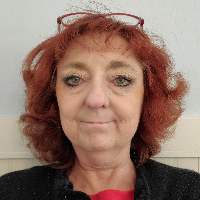
Tatyana Sibthorpe
BACP
Compassionate hypnotherapy and talking therapy support
- Bipolar
- Addictions
- Relationship

16 years in practice
Clinical social work directory
246 therapists list bipolar among the things they work with. All offer sessions online, and every profile shows the registering body, the membership number and when it runs to.
This page features therapists who list bipolar care among their specialties, with information on approaches, credentials, languages and experience. Browse the listings below to compare therapy styles and learn how different clinicians describe their work with bipolar mood conditions.
BACP
Compassionate hypnotherapy and talking therapy support
NCPS
Hypnotherapy-informed counsellor focused on practical change
LCSW-C, LCSW
Experienced LCSW helping practical change
HCPC
Gentle practical therapy with hypnotherapy options
BACP, NCPS
Calm, trauma-informed hypnotherapy and counselling
BACP
Hypnotherapy-informed counsellor with extensive experience
LCSW
Warm clinical social worker with 35 years experience
LPC
Compassionate therapist who blends hypnotherapy and evidence-based care
BACP
Expert counsellor using mindfulness and hypnotherapy
BACP
Gentle integrative counselling and hypnotherapy
NCPS
Compassionate counsellor using hypnotherapy and listening skills
NCPS
Hypnotherapy and conversational counselling for change
NCPS
Therapist offering hypnotherapy and talking therapies
BACP
Gentle, experienced counsellor for life changes
LMFT, LCMFT
Compassionate, direct therapy for relationship patterns
LPC
Compassionate counselor focused on meaningful change
LCSW
Compassionate hypnotherapy and holistic counseling
NCPS
Calm practical support for life’s hard moments
LMHC
Experienced counselor blending hypnotherapy and talk therapy
BACP
Practical, compassionate counselling with hypnotherapy
BACP, NCPS
Calm, practical therapy for life’s hard moments
BACP
Compassionate counsellor blending talk and hypnotherapy
LPC
Calm, practical support for life’s hard moments
LCPC
Experienced LCPC focused on practical change
BACP
Insightful counsellor blending hypnotherapy and therapy
LPC
Compassionate, goal-focused support for life changes
BACP
Compassionate support for life changes
BACP
Experienced counsellor using hypnotherapy and talking therapies
Some links on this page are partner links. We will earn a commission if you sign up through one, at no cost to you. It does not change what you pay or the order of the listings.
Bipolar refers to a range of mood conditions characterized by shifts in mood, energy and activity levels that can affect thinking, behavior and daily functioning. People describe times of elevated mood, increased activity or racing thoughts that contrast with periods of low mood, fatigue and reduced interest in usual activities. These mood patterns vary in intensity and frequency, and they often interact with sleep, work, relationships and day-to-day routines.
If you are exploring therapy for bipolar, it helps to know that the experience is often complex and personal. Symptoms can show up differently from one person to another - one person may notice more hypomanic periods with relatively brief lows, while another may have longer depressive episodes. Life events, sleep disruption, stress and changes in routine can influence mood swings, and many people find that support aimed at stabilizing mood, managing triggers and improving daily rhythms makes a meaningful difference in how they function.
You might consider therapy if shifts in mood are disrupting your relationships, work, sleep or overall sense of well-being. Difficulty concentrating, impulsive decisions during elevated mood, prolonged sadness, loss of interest in activities, or trouble maintaining consistent routines are common concerns people bring to therapy. Many also seek help when mood changes feel unpredictable or when past strategies are no longer effective.
Therapy can be helpful whether you are newly noticing mood variability or have been managing bipolar patterns for years and want a different approach. You may be looking for tools to reduce symptom impact, assistance in communicating with family members, support in coordinating care with prescribers, or strategies to prevent relapse. The decision to pursue therapy often follows a desire for clearer routines, better emotion regulation and a greater sense of control over daily life.
In early sessions you can expect an intake conversation that explores mood history, patterns, goals and any current stresses. Your clinician will usually want to understand your typical sleep and activity rhythms, how moods begin and end, and what has helped or hindered you in the past. Together you will set practical goals that may include stabilizing daily routines, reducing the severity of mood swings, strengthening relationships or building coping strategies.
Therapy sessions often combine psychoeducation about mood patterns with practical skills you can use between meetings. You may practice mood tracking, learn techniques for managing intense emotions, and develop plans to respond to early warning signs. Many clinicians integrate family or relationship work when appropriate, and you can expect collaborative discussion about coordination with medical providers if medication management is part of your care plan. Sessions typically emphasize gradual, sustainable changes so you can test strategies in real life and refine them over time.
Clinicians use a range of approaches with people who have bipolar experiences. You will find therapists who list cognitive behavioral therapy among their approaches, which focuses on identifying and adjusting unhelpful thinking patterns and behaviors. Some clinicians describe using interpersonal and social rhythm approaches that emphasize stabilizing daily routines, improving sleep patterns, and managing relationships that influence mood. Others may incorporate family-focused strategies that help relatives and partners learn how to support mood regulation and recognize early warning signs.
Mindfulness-based methods are commonly offered to help you cultivate present-moment awareness and reduce reactivity during mood shifts. Psychoeducation is also a frequent component, helping you and your support network understand mood patterns and practical ways to respond. When reviewing practitioner profiles you will often see a mix of these approaches; remember that listing an approach indicates it is part of a clinician's toolkit rather than a certification claim. Many people find benefit from combining skills-based therapy with coordination of medical care when medication is part of their overall plan.
Online therapy offers flexibility in how you meet with clinicians - video, phone and text-based messaging are common formats for ongoing work. If you prefer meeting from home or another familiar setting, online sessions can make it easier to maintain regular contact. Therapists vary in how they structure remote care; some blend synchronous video sessions with brief check-ins by message, while others focus on scheduled meetings and homework you complete between appointments.
When engaging in online therapy for bipolar, it is helpful to discuss how your clinician addresses safety planning and collaboration with local medical providers. You should talk about how mood changes will be monitored between sessions, how urgent concerns are handled, and whether the clinician has a process for coordinating with psychiatrists or primary care providers when needed. Because regional regulations and emergency response resources differ, planning for local support and crisis resources is an important part of remote care. Online work can be effective for skill-building, monitoring moods and maintaining continuity of care, especially when you and your clinician agree on clear communication and follow-up procedures.
Begin by thinking about what matters most to you - do you want a clinician who emphasizes lifestyle and routine, someone who works a lot with families, or a therapist who focuses on skill-based cognitive work? Look for profiles that describe those emphases and note languages spoken, years of experience in relevant settings, and any populations the clinician highlights. Pay attention to how clinicians describe their approach to mood management, relapse prevention and collaboration with medical providers, since these topics are central to bipolar care.
Ask about practical matters that affect your experience - session length, fee structure, insurance or sliding scale options, and whether they use video, phone or messaging. It is appropriate to ask how they track mood over time and how they involve partners or family if that is important to you. Consider whether you prefer someone who speaks from lived experience or who emphasizes multicultural familiarity with issues that matter to you. Trust your impressions: you should feel heard and respected in early conversations, and it is reasonable to look for a therapist whose communication style matches how you like to work. Choosing a therapist is a personal decision and taking time to match approach, communication style and logistical fit increases the likelihood that therapy will be a useful part of your mood-management plan.
Therapy is one part of a broader approach to managing bipolar mood conditions. When you are ready to explore options, use the listings above to compare clinicians who list bipolar among their specialties, read how they describe their methods, and select profiles that align with your goals. Clear communication about goals, coordination with medical care when needed, and a focus on practical skills can all play a role in supporting steadier moods and improved daily functioning.